Introduction: The Material That Does More Than You Think
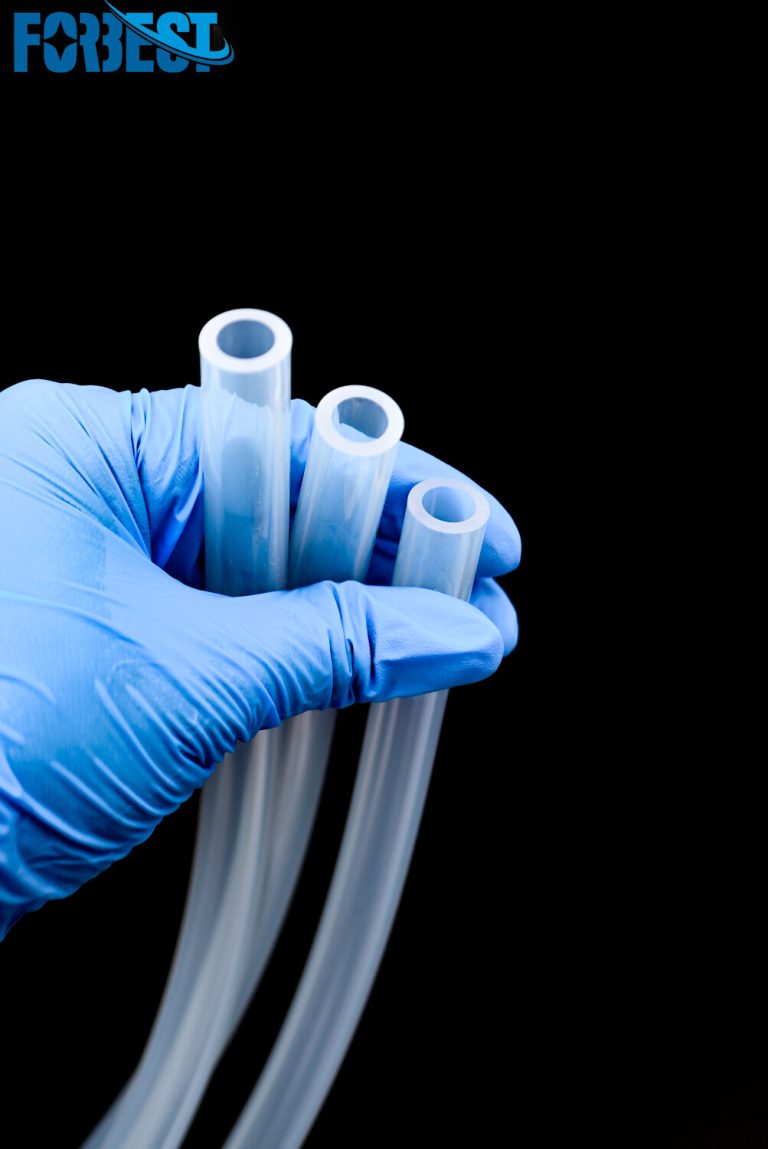
When it comes to sealing, insulating, cushioning, or vibration dampening, few materials are as versatile as Neoprene Foam Sponge Tube. Whether in HVAC systems, medical devices, automotive seals, or sports equipment, this flexible foam tube plays a hidden yet essential role.
At Forbest, we’ve worked with clients across industries who need consistent, high-performing, and customizable neoprene sponge tubing for everything from prototypes to mass production. This article walks through real-world use cases, expert tips, and the technical benefits of using Neoprene Foam Sponge Tube in your operations.
What Is Neoprene Foam Sponge Tube?
Neoprene is a synthetic rubber (polychloroprene) known for its:
-
Resistance to oil, ozone, heat, and aging
-
Excellent flexibility and compression recovery
-
Flame resistance and thermal insulation
-
Closed-cell structure for water and air sealing
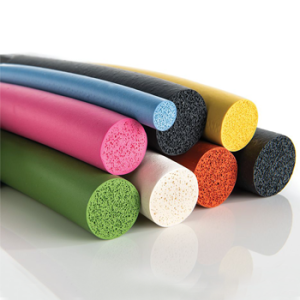
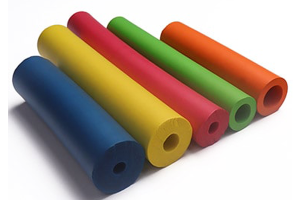
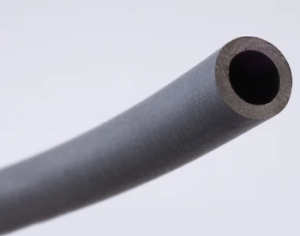
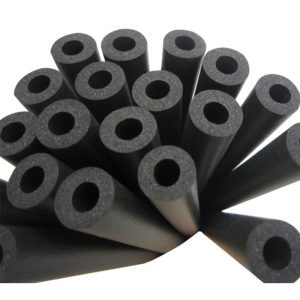
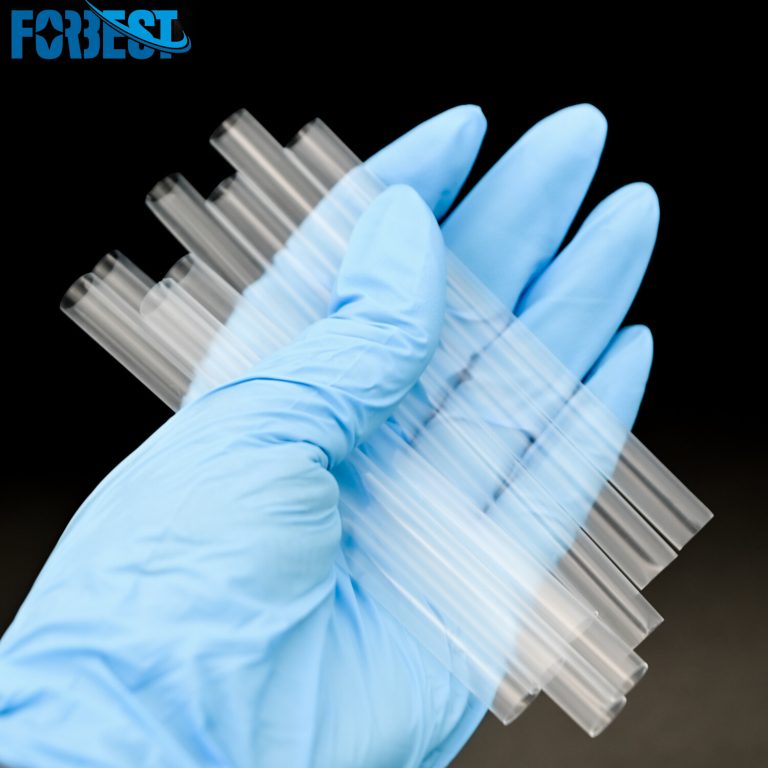
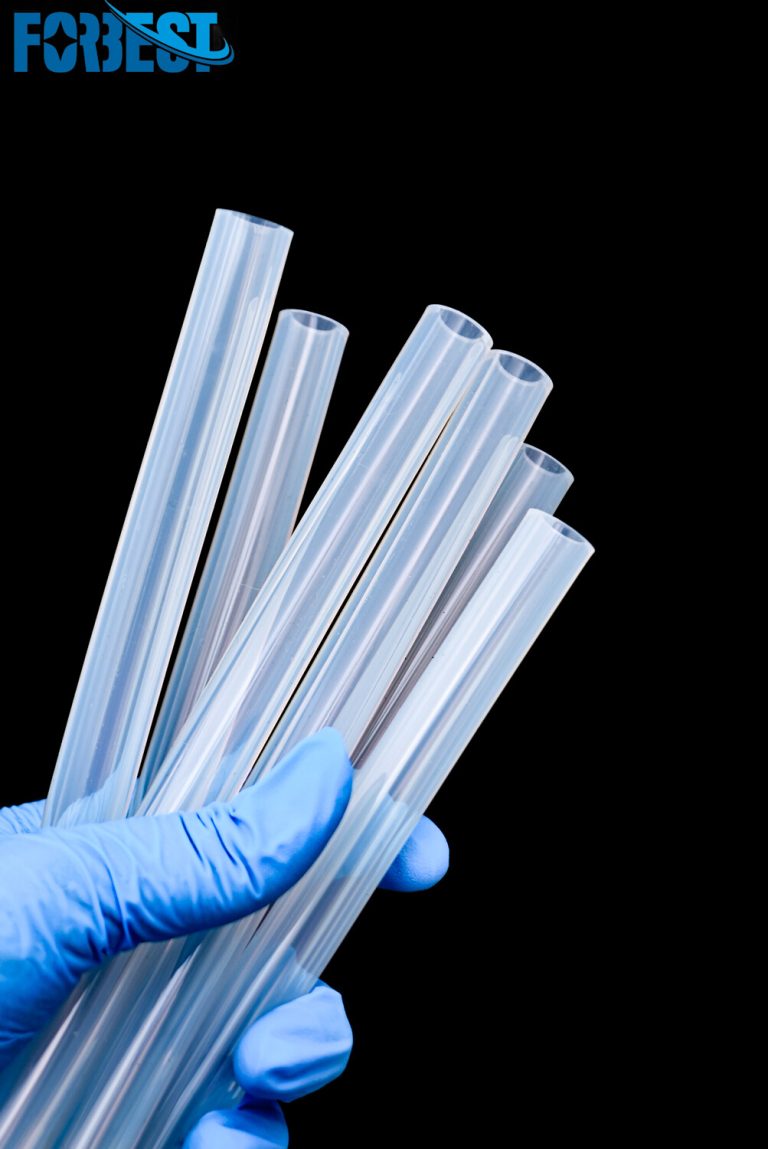
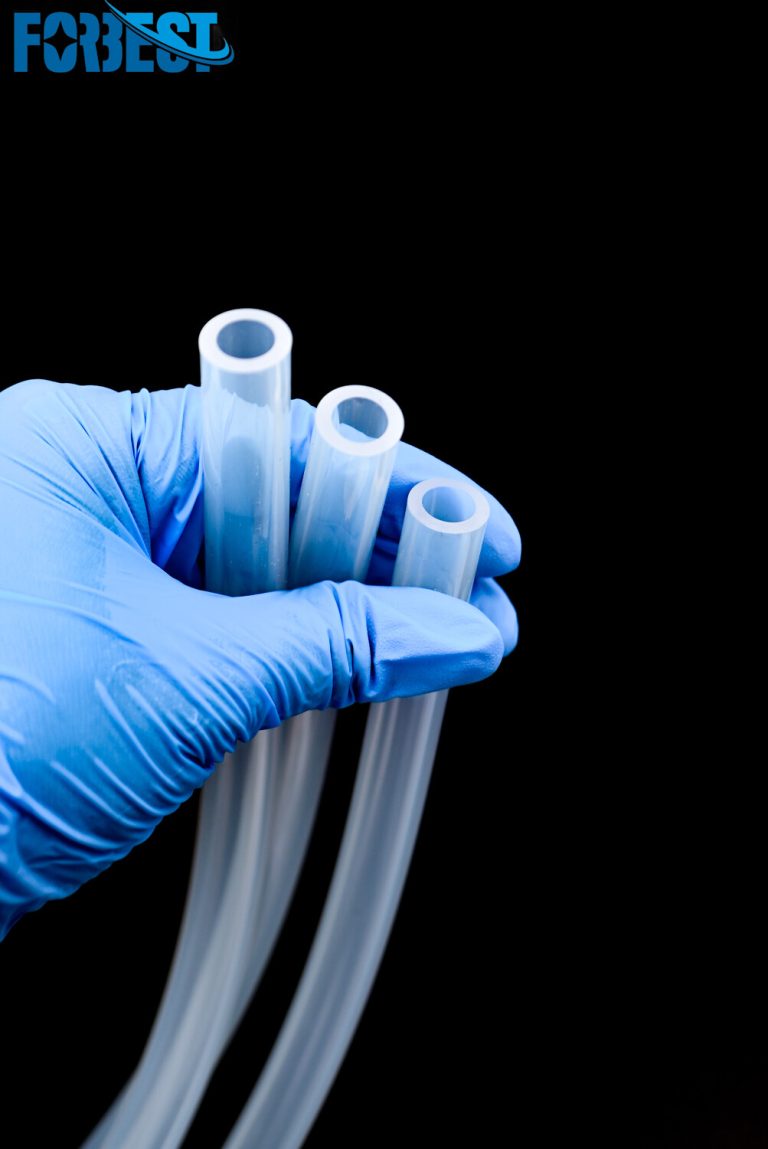
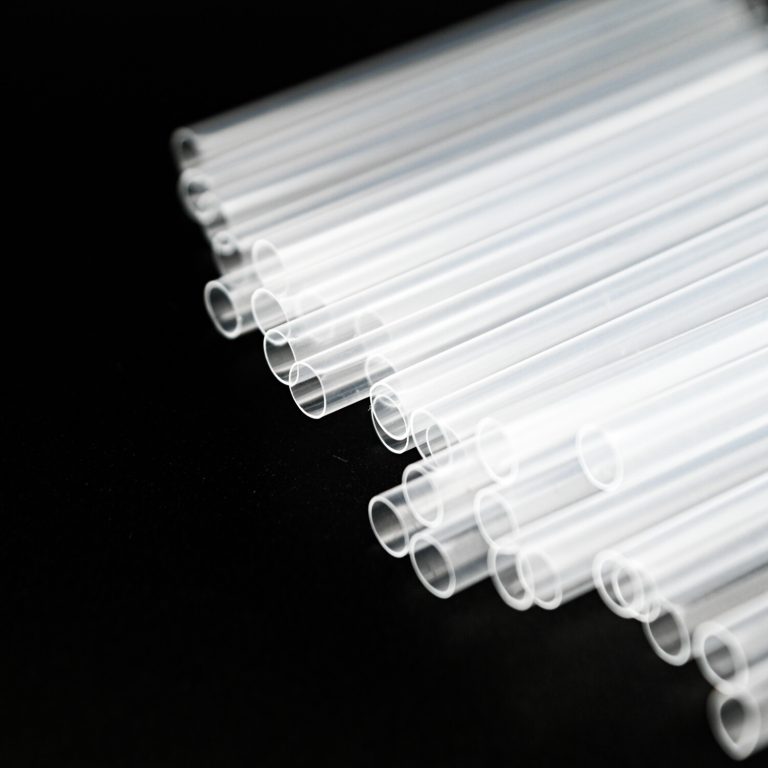
When extruded into tubular sponge form, Neoprene Foam Sponge Tube becomes ideal for wrapping, sealing, lining, or protecting components in demanding environments.
Application 1: HVAC & Refrigeration Sealing
Neoprene sponge tubes are widely used in air conditioning and refrigeration systems as pipe insulation, especially for copper tubes that carry hot or cold refrigerants.
Benefits include:
-
Preventing condensation and mold
-
Minimizing heat loss or gain
-
Protecting against vibration or abrasion
-
Improving energy efficiency
Expert Insight:
“In commercial HVAC installations, neoprene sponge tubing provides both insulation and protection. It’s easier to install than rigid foam and far more durable in long-term use.”
— Mike L., HVAC Engineer, New Jersey, USA
Application 2: Automotive & Transportation
In cars, trucks, and even trains or aircraft, Neoprene Foam Sponge Tubes are used to:
-
Cushion door seals and windows
-
Dampen vibration between metal components
-
Line air ducts or engine compartments
-
Act as weather stripping and thermal insulators
The closed-cell structure makes it an ideal barrier against water, dust, and engine heat.
Pro Tip from Forbest: For EV vehicles, we recommend fire-retardant versions of our Neoprene Foam Sponge Tube tested to UL94-V0.
Application 3: Medical & Lab Equipment
Neoprene sponge tubing is used in hospitals and laboratories to protect delicate instruments and ensure safe handling. Common uses include:
-
Soft grip protection on surgical tools
-
Cushioning for blood analysis racks
-
Anti-slip padding for mobile equipment
-
Flexible cable management
Why neoprene? It resists mild chemicals, stays flexible at low temperatures, and has great compression recovery even after repeated sterilizations.
“In the ICU, we use neoprene-wrapped tubing to prevent accidental bruising and protect vital cable connections.”
— Dr. Emily Zhao, Biomedical Tech Lead, Toronto
Application 4: Packaging & Consumer Products
In retail and e-commerce packaging, Neoprene Foam Sponge Tube helps:
-
Protect fragile products like electronics or glass
-
Prevent scratches or dents in high-end goods
-
Add a premium feel to reusable product cases
-
Serve as flexible inserts in toolkits or hobby kits
Some brands even use custom-colored neoprene tubing as part of their visual identity in product packaging.
Forbest supports OEM customizations with:
-
Custom ID/OD sizes
-
Branding print (heat transfer or laser)
-
Pantone color matching
-
Die-cut or pre-slit tubing
Application 5: Construction & Architectural Sealing
In doors, windows, curtain walls, and facade systems, neoprene sponge tubes are used as:
-
Compression gaskets
-
Expansion joint fillers
-
Air and water seals
-
Anti-rattle vibration dampeners
Their weather resistance and UV tolerance make them ideal for long-term outdoor installations, especially when backed with adhesive or used in metal-to-glass interfaces.
Application 6: Sports & Ergonomic Gear
Neoprene sponge tubes provide excellent grip, shock absorption, and moisture resistance, making them perfect for:
-
Handlebar grips on bikes or scooters
-
Fishing rod handles
-
Gym equipment padding
-
Rehabilitation tools and physical therapy aids
Lightweight yet durable, neoprene sponge tubes can be textured or patterned for added grip and tactile feedback.
Why Professionals Prefer Neoprene Over Other Foams
| Feature | Neoprene Sponge Tube | Polyethylene Foam | Open-Cell Foam |
|---|---|---|---|
| Water Resistance | Excellent (closed-cell) | Moderate | Poor |
| Flexibility | High | Medium | High |
| Heat Resistance | Up to 100°C (brief 120°C) | Lower (~75°C) | Low |
| Chemical Resistance | Strong (oils, solvents) | Limited | Poor |
| Flame Retardancy | Available (UL 94V-0) | Rare | No |
For engineers, the choice is clear: neoprene foam sponge tubing offers a superior balance of performance, durability, and customizability.
Conclusion: A Tube That Does the Job — Quietly but Powerfully
Whether cushioning a surgical tray, insulating HVAC lines, or protecting your bike handlebars, Neoprene Foam Sponge Tube is a go-to solution for thousands of manufacturers and installers.
Forbest supplies bulk and OEM orders of Neoprene Foam Sponge Tube, with customizable specs, fast lead times, and professional support.
Looking for performance, flexibility, and reliability — all in one material?
Trust the tube that engineers and manufacturers choose every day.