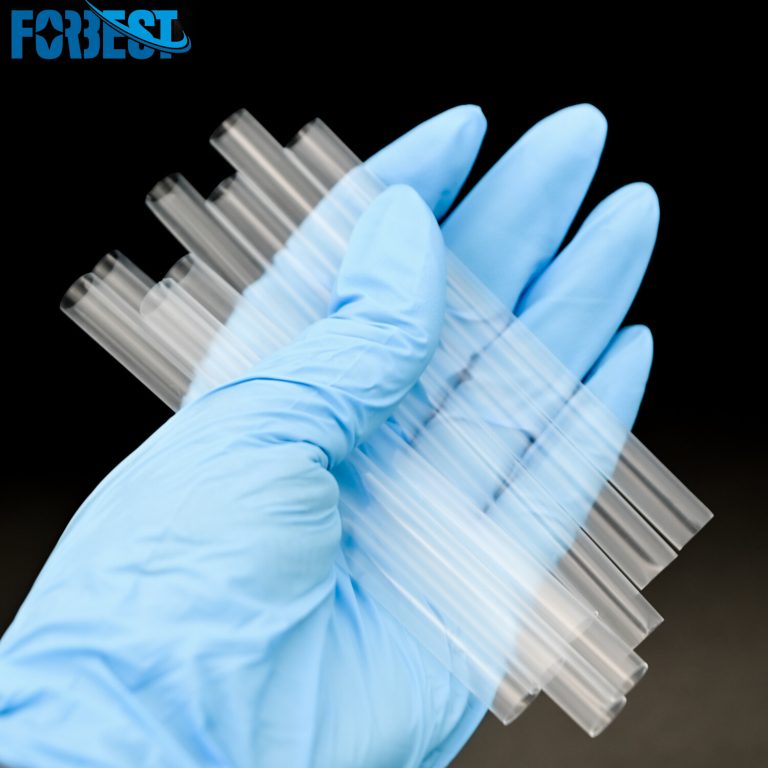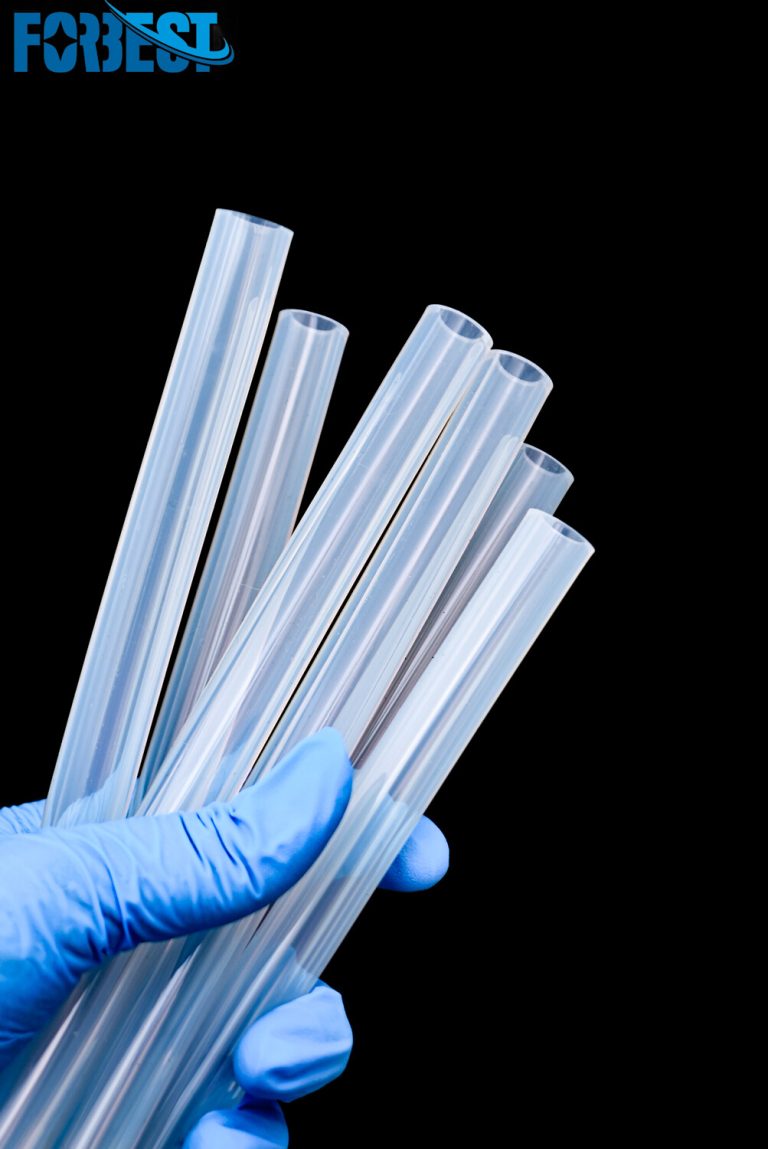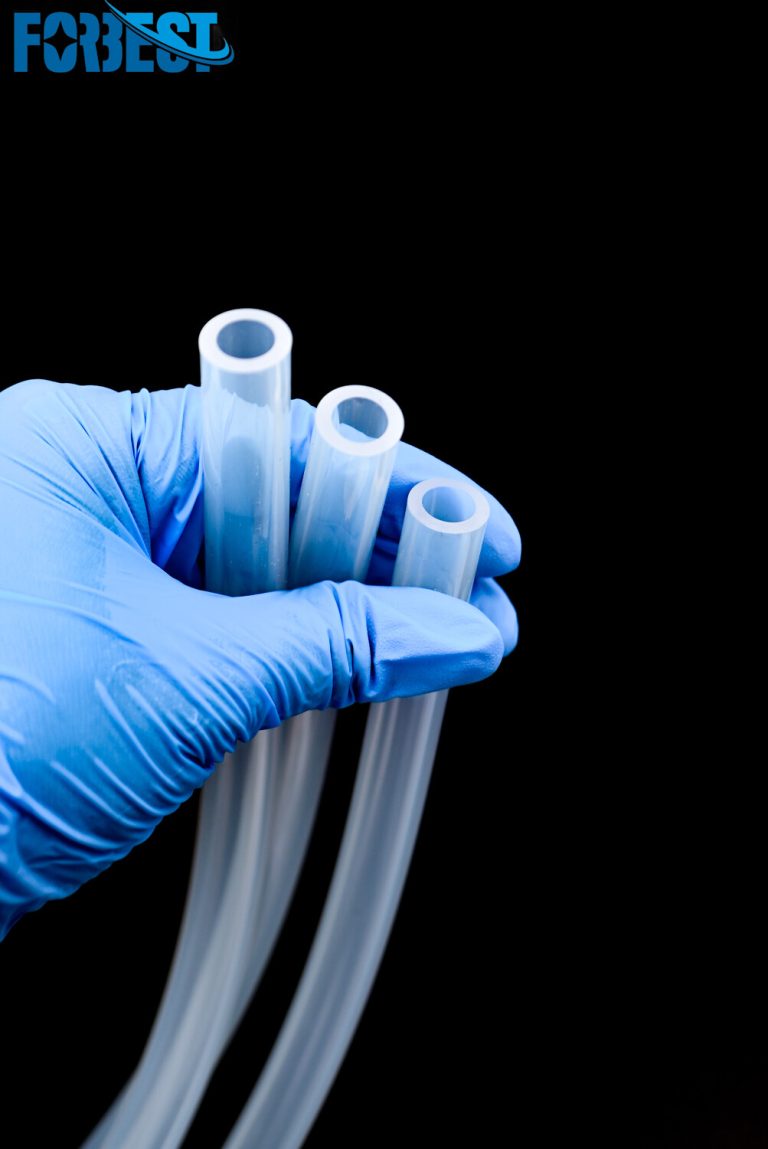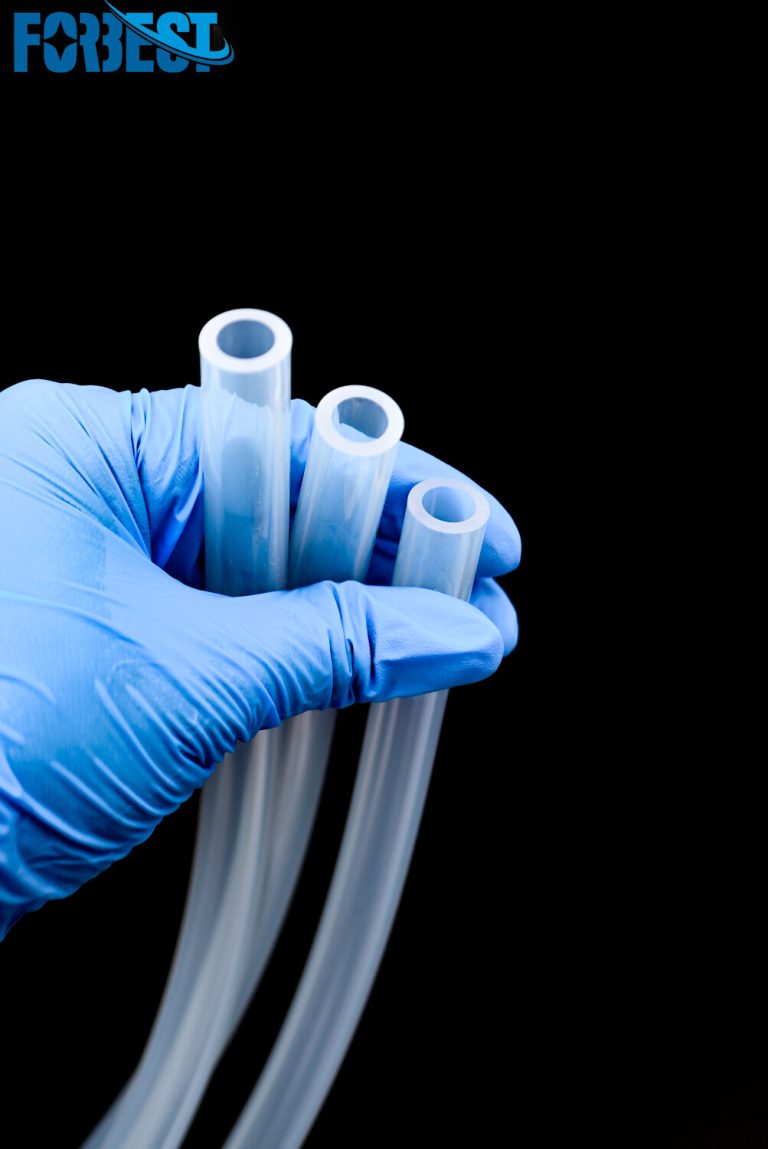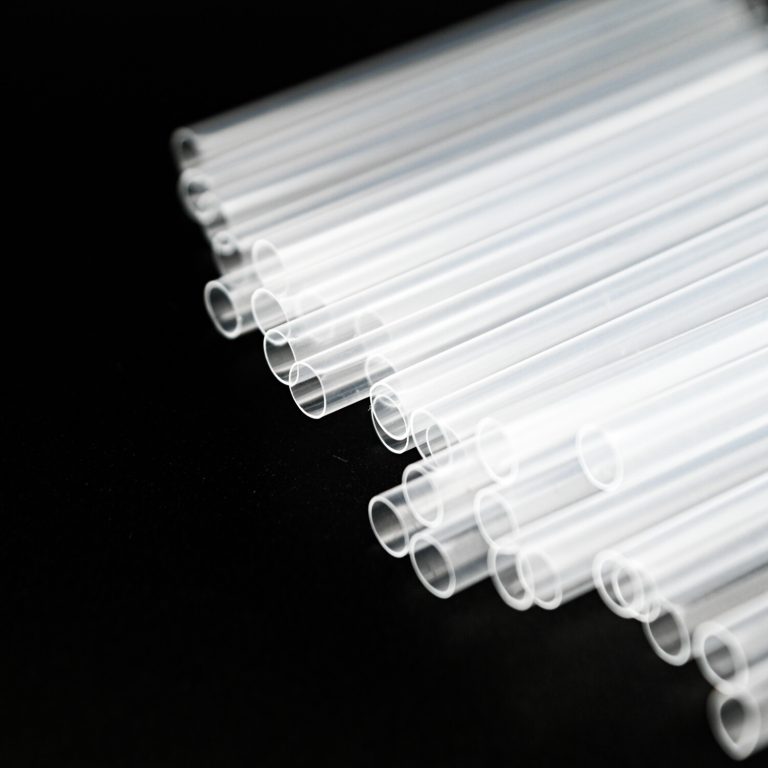
Not Just Foam — A High-Performance Engineering Material
When most people hear “foam tube,” they think of simple packaging or soft grips. But in technical industries — from aerospace to HVAC to medical devices — the humble Neoprene Sponge Tube is anything but simple.
Engineers, procurement specialists, and industrial designers choose Neoprene Foam Sponge Tube because it offers a rare combination of flexibility, strength, chemical resistance, and weatherproofing.
This article unpacks the material science behind it, highlights key performance characteristics, and shows why professionals worldwide rely on Neoprene Foam Sponge Tube by Forbest.

What Makes Neoprene Sponge Tubes Technically Superior?
Material Basics:
-
Base Material: Polychloroprene (synthetic rubber)
-
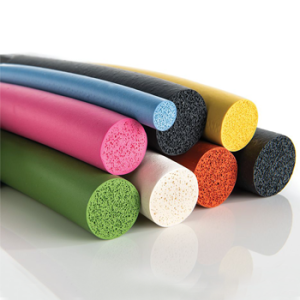
Structure: Closed-cell foam with high density
-
Typical Shore Hardness: 25–35 Shore 00
-
Compression Set: <10% (excellent memory)
-
Operating Temp: -40°C to +100°C (peak 120°C short-term)
This combination allows the sponge tube to return to its original shape after compression, making it ideal for gaskets, insulation, or protection in harsh environments.
“Unlike open-cell foams, Neoprene sponge tubes block air, dust, and water — which makes them irreplaceable in outdoor and under-the-hood use.”
— Dr. Lin Tao, Polymer Engineer, Guangdong Institute of Materials
Key Performance Properties That Matter
1. Compression Recovery
Neoprene sponge tubes can compress by 50% or more and still return to form without cracking or losing performance. This makes them excellent for:
-
Gaskets and weather seals
-
Anti-vibration padding
-
Pipe and conduit wraps
2. Flame Resistance
Forbest’s flame-retardant grades pass UL 94 V-0 standards — critical in:
-
Vehicle engine bays
-
Airplane cabins
-
Electrical control boxes
3. Chemical and Oil Resistance
Neoprene resists:
-
Mineral oils
-
Weak acids and bases
-
Alcohols
-
UV and ozone exposure
This allows it to outperform natural rubber or polyurethane foam in many industrial environments.
4. Thermal Stability
Neoprene maintains flexibility and sealing performance across wide temperature ranges — essential for outdoor, rooftop, or underfloor installations.

How Neoprene Tubes Are Manufactured at Forbest
Forbest uses closed-cell foaming extrusion, with precision tooling to control:
-
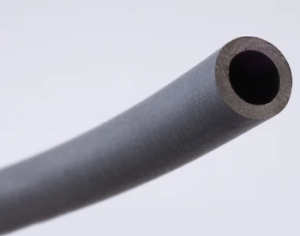
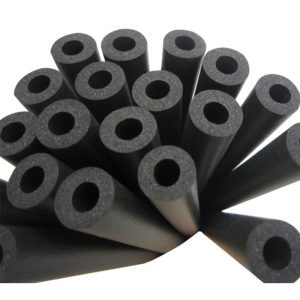
Inner diameter: 5 mm to 60 mm
-
Wall thickness: 3 mm to 25 mm
-
Length: Cut-to-size or coiled
Each production batch undergoes:
-
Compression set testing
-
Thermal aging simulation (150°C for 168 hours)
-
Density checks (0.12 to 0.25 g/cm³)
-
Dimensional tolerance control (±0.5 mm)
ISO 9001:2015 certification ensures each roll or batch meets stringent industrial standards.
Performance Compared to Other Materials
| Property | Neoprene Sponge Tube | EPDM Foam | Polyethylene Foam |
|---|---|---|---|
| Water Absorption | <5% | ~10% | ~20% |
| UV Resistance | Excellent | Moderate | Poor |
| Flame Retardancy | UL 94 V-0 (with additives) | Limited | Rare |
| Oil Resistance | High | Poor | Poor |
| Flexibility (-30°C) | High | Medium | Brittle |
Common Technical Applications
Neoprene sponge tubing is not just for “general purpose”— it’s specified in:
-
EV battery pack insulation
-
HVAC chilled pipe protection
-
Industrial control panel gasketing
-
Chemical lab hose shielding
-
Medical supply grip tubing
-
Reusable case interiors for sensitive components
Real Test Data from Forbest Lab
| Test Type | Result | Standard |
|---|---|---|
| Compression Set (24h) | <10% at 25% compression | ASTM D1056 |
| Flammability | Pass (UL 94 V-0) | Internal + 3rd-party |
| Tensile Strength | 0.25–0.45 MPa (closed-cell spec) | ASTM D412 |
| Water Absorption | <3% volume after 24h immersion | ASTM D471 |
| Elongation at Break | >200% | ISO 37 |
All test reports can be included with shipment documentation or submitted in RFQ stage for engineering approvals.
Customization Capabilities
Forbest supports full OEM customization, including:
-
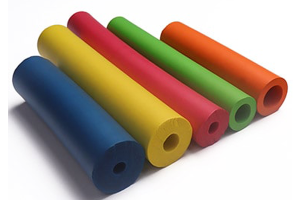
Color matching (black, grey, red, blue)
-
Pre-cut sections or coiled rolls
-
Self-adhesive backing or groove slot options
-
Branding print, barcoding, or serial code printing
-
Non-toxic, REACH-safe versions for child-facing or medical-grade uses
“We needed a dual-layer sponge tube: firm outside, soft inside. Forbest delivered in 10 days — with laser-printed lot codes and exact tolerances.”
— Antonio B., Senior Engineer, Italian Electronics Manufacturer
Trust Through Experience
Why do clients stay with Forbest?
-
✅ 15+ years of OEM & industrial supply experience
-
✅ Dedicated QC team & real-time testing
-
✅ Low MOQ for new clients (as low as 100 meters)
-
✅ Export experience to over 45 countries
-
✅ Samples shipped within 48 hours
“We have peace of mind knowing every neoprene batch from Forbest is test-certified and production-traceable. That’s not something every supplier offers.”
— Michael R., Procurement Director, UK HVAC Brand

Reliable Performance, Engineered for Demanding Jobs
Neoprene Foam Sponge Tubes are more than just rubber tubes — they’re trusted engineering materials. Built for durability, backed by science, and tested for tough conditions, Forbest’s neoprene sponge tubes are the right choice for any application that demands insulation, sealing, or vibration control.
Ready to upgrade from generic foam to real performance?
👉 Contact Forbest or learn more about our Neoprene Foam Sponge Tube solutions today.