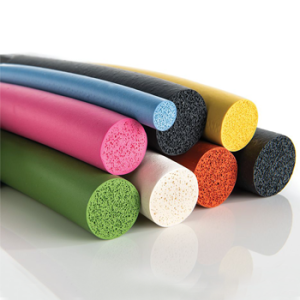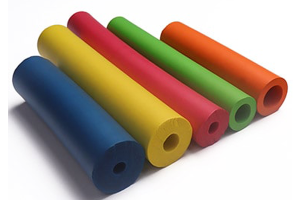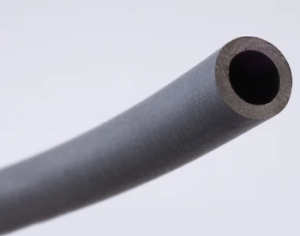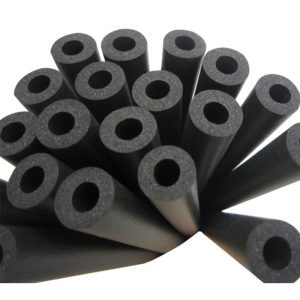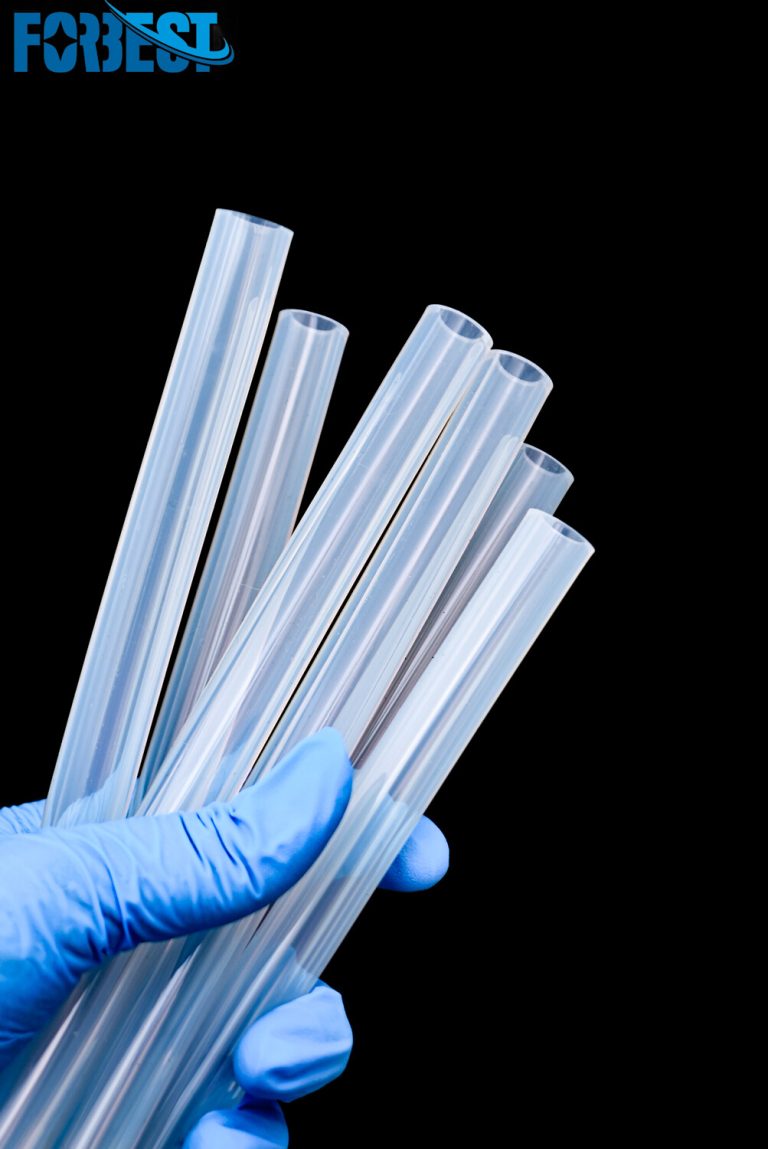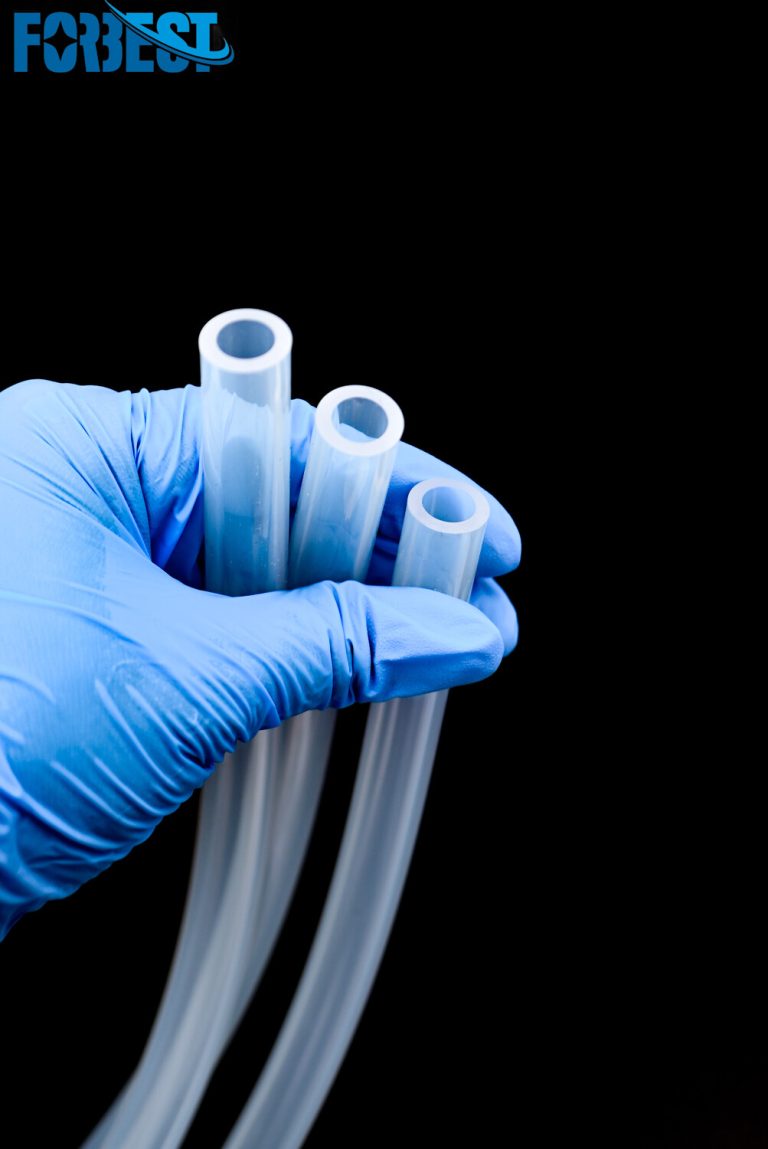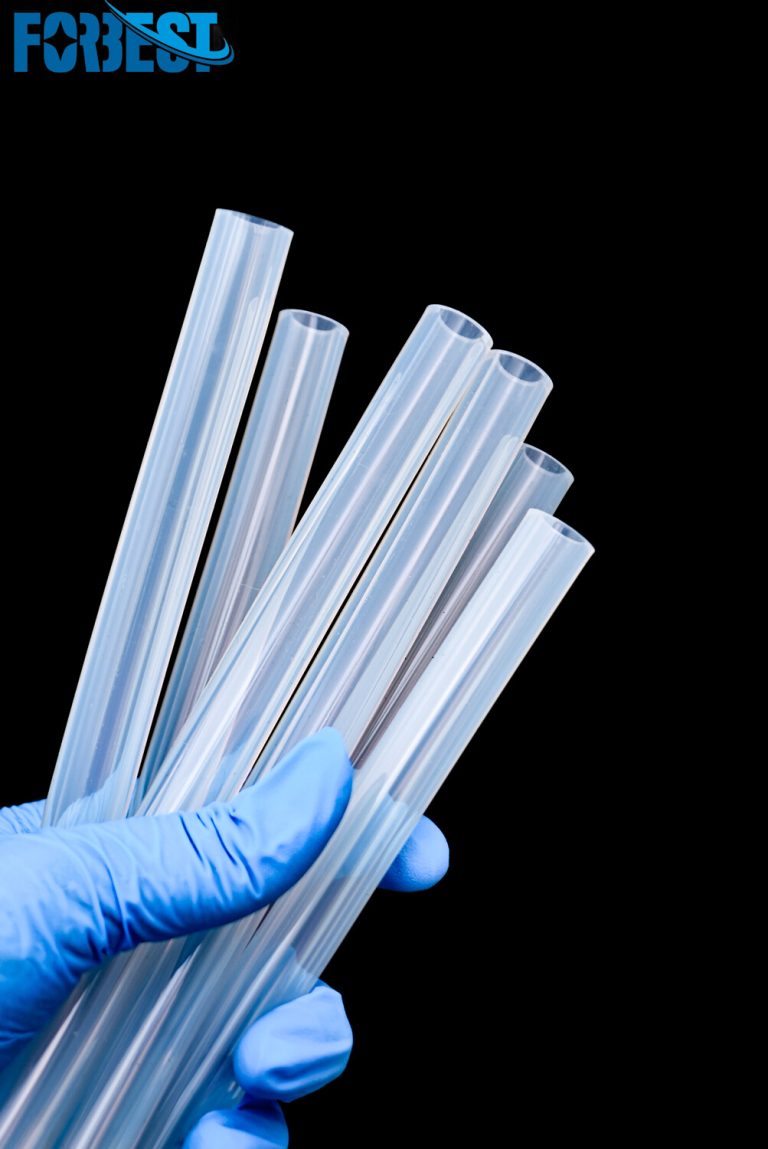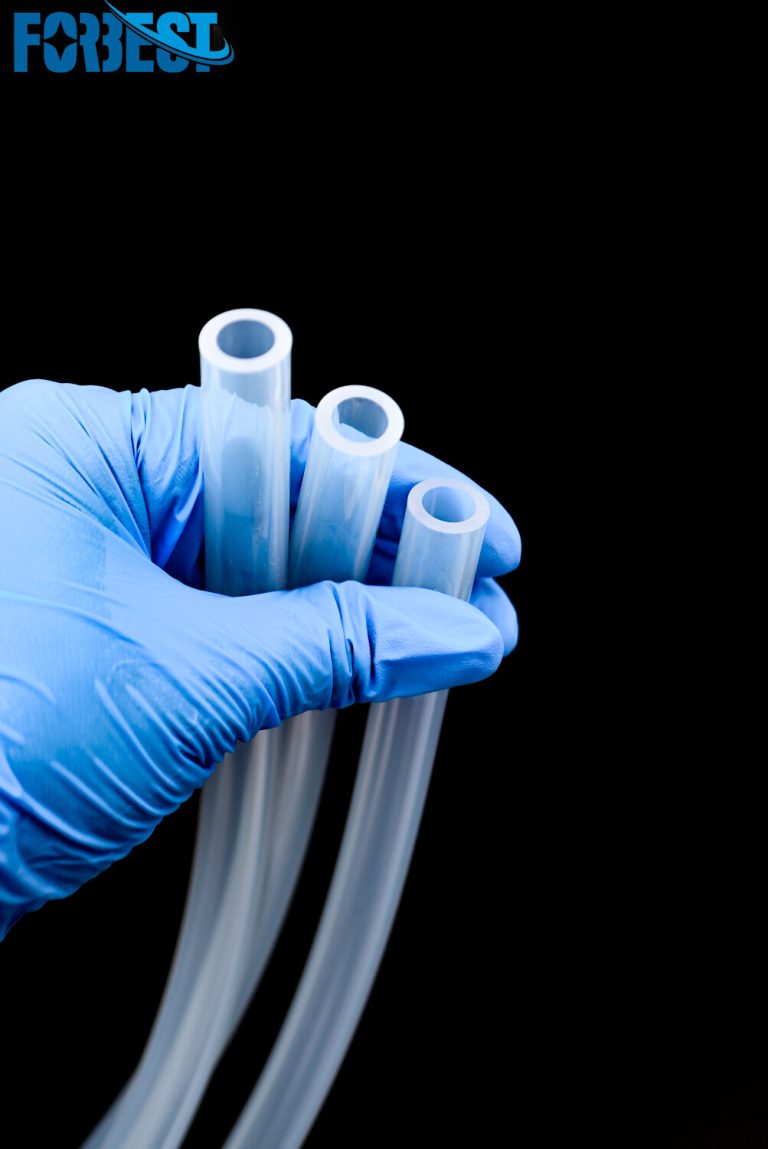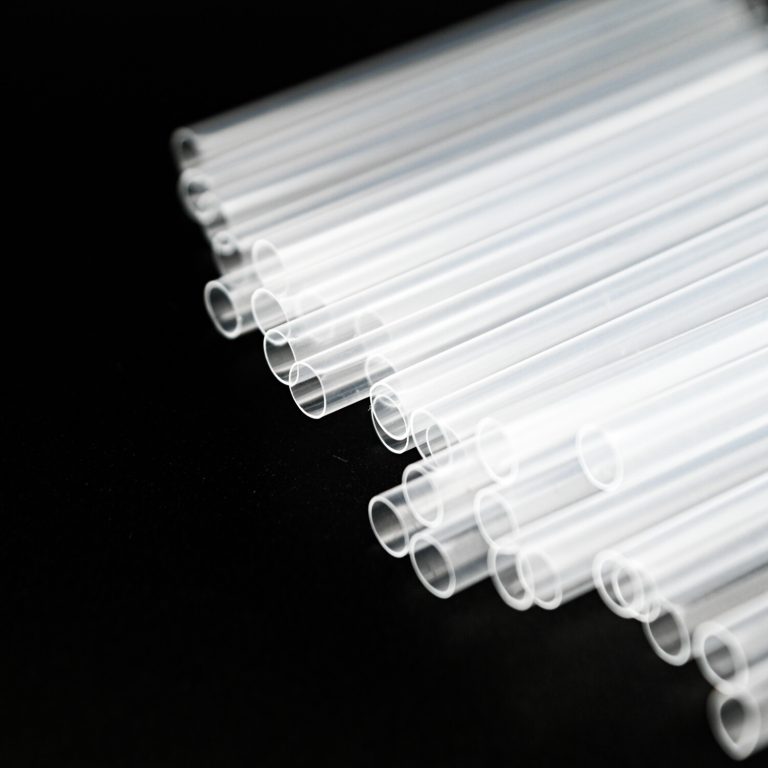
Introduction: Understanding Closed-Cell Silicone Sponge Foam Tubing
Closed-cell silicone sponge foam tubing is widely recognized for its versatility and performance in extreme conditions. Due to its closed-cell structure, it provides superior insulation properties and resistance to water, air, and contaminants, making it ideal for various high-performance industries. This tubing material is commonly used in automotive, aerospace, and medical sectors, thanks to its long-term durability and reliability. The closed-cell nature helps the material resist moisture, gases, and contaminants, thus ensuring long-term stability.
Silicone sponge foam tubing is typically composed of synthetic polymers that exhibit unique characteristics, such as excellent thermal insulation, resistance to UV rays, and the ability to withstand extreme temperatures, making it essential for applications where reliability and precision are paramount.
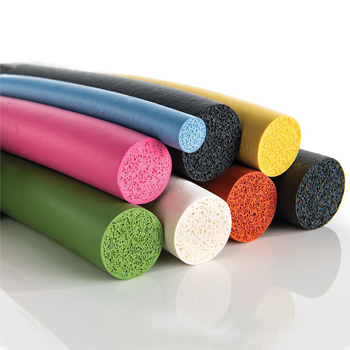
2. Key Benefits: Why Closed-Cell Silicone Sponge Foam Tubing Is Preferred
Thermal Insulation:
One of the standout features of closed-cell silicone sponge foam tubing is its thermal insulation properties. It can maintain consistent temperatures and provide superior heat resistance (up to 250°C) in high-temperature environments. This feature is particularly beneficial for applications in industries like automotive and aerospace, where temperature fluctuations can affect the efficiency of machines and components.
Water and Air Resistance:
The closed-cell structure prevents the penetration of moisture, making it an excellent sealant for underwater or humid environments. It also helps in preventing the buildup of bacteria or mold, which could otherwise compromise the integrity of the materials or equipment being protected.
Durability and Longevity:
Compared to other materials, closed-cell silicone sponge foam tubing is more durable and resilient under mechanical stress and extreme conditions. This makes it perfect for use in high-stress environments, such as within engines, medical devices, and even in food-safe applications. The closed-cell structure offers additional resilience, helping to prevent the foam from absorbing unwanted substances.
FDA-Approved for Food-Safe Applications:
Closed-cell silicone sponge foam tubing is also compliant with FDA standards, making it ideal for use in food-safe applications. This ensures that it doesn’t leach harmful chemicals, maintaining hygiene and safety in applications such as food processing or medical equipment.
3. Applications and Case Studies: Real-World Examples of Its Usage
Automotive Industry:
In the automotive industry, closed-cell silicone sponge foam tubing is used for sealing gaps and insulating components in high-temperature areas, such as engines and exhaust systems. Its ability to withstand heat and pressure makes it the perfect choice for components that are subject to intense thermal and mechanical stress.
Medical Equipment:
In the medical field, silicone foam tubing plays a vital role in preventing contamination and providing insulation in devices such as ventilators, surgical instruments, and pharmaceutical equipment. It is used to seal medical devices and ensure that no contaminants enter sterile environments.
4. Case Study: Aerospace Industry
In a recent study conducted by industry experts, closed-cell silicone sponge foam tubing was chosen for sealing fuel systems in an aerospace application. The tubing was tested under high-pressure conditions and extreme temperatures. It provided the necessary sealing properties, preventing leakage, and maintaining the integrity of the system.
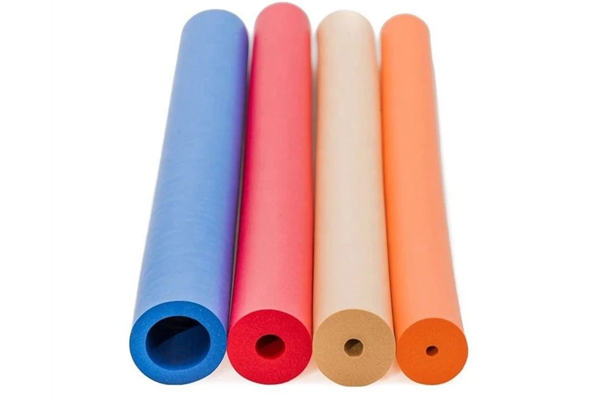
5. Conclusion
In conclusion, closed-cell silicone sponge foam tubing stands out for its exceptional thermal insulation, resistance to water, and durability. Industries requiring reliable and long-lasting solutions should consider this material for their applications. From automotive to aerospace and medical industries, this versatile material ensures high performance and safety in a variety of environments. For more information on the product features and benefits, visit the closed-cell silicone sponge foam tubing product page.