PTFE (Polytetrafluoroethylene) and FEP (Fluorinated Ethylene Propylene) are both fluoropolymer plastics, but they have a few key differences in terms of properties and uses. Here’s a breakdown:
1. Chemical Structure
-
PTFE: Composed of a long chain of carbon atoms surrounded by fluorine atoms (C₂F₄)n. It’s the most well-known fluoropolymer, often associated with Teflon.
-
FEP: A copolymer of tetrafluoroethylene (TFE) and hexafluoropropylene (HFP), meaning it contains both tetrafluoroethylene and ethylene groups. It is chemically similar to PTFE but with a different monomer structure.
2. Melt Processing
-
PTFE: Non-melt processable. It doesn’t melt but instead softens when heated, so it must be processed via methods like compression molding or sintering. It is often used in a solid form.
-
FEP: Melt processable. FEP can be easily molded and extruded, like standard thermoplastics. This makes it more versatile in terms of manufacturing.
3. Temperature Resistance
-
PTFE: It has an excellent high-temperature resistance, typically able to withstand temperatures up to 260°C (500°F), and can handle even higher temperatures in some cases without degrading.
-
FEP: Has a slightly lower temperature tolerance, typically up to around 200°C (392°F). It is still high but not as extreme as PTFE.
4. Mechanical Properties
-
PTFE: Known for its excellent chemical resistance, high lubricity, and electrical insulation properties. However, PTFE is more brittle and can be prone to cracking under stress or pressure.
-
FEP: Generally has better mechanical strength and flexibility than PTFE. It is more durable and can be used in a wider range of applications without as much risk of cracking.
5. Transparency
-
PTFE: Opaque or translucent, generally white.
-
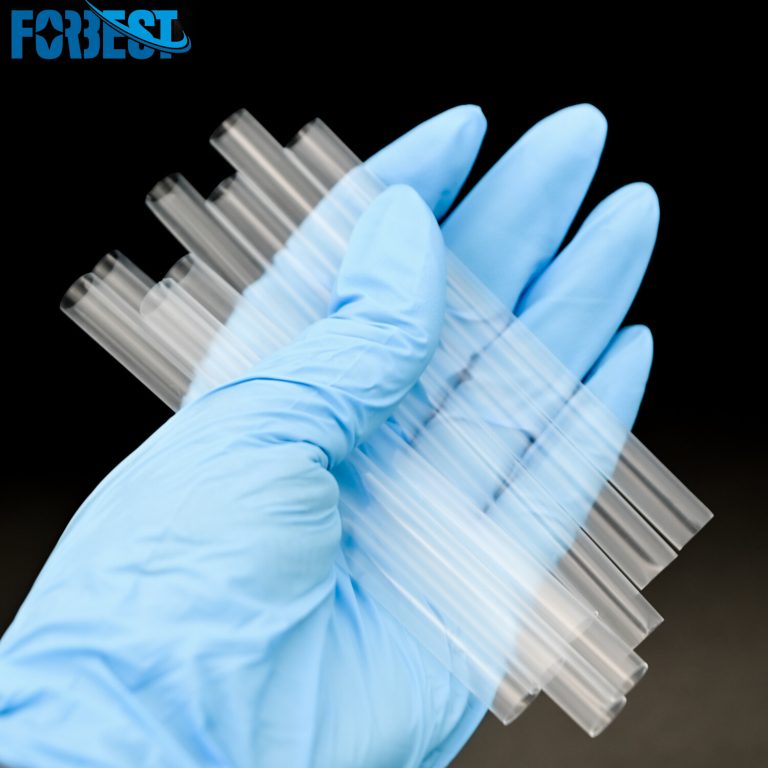
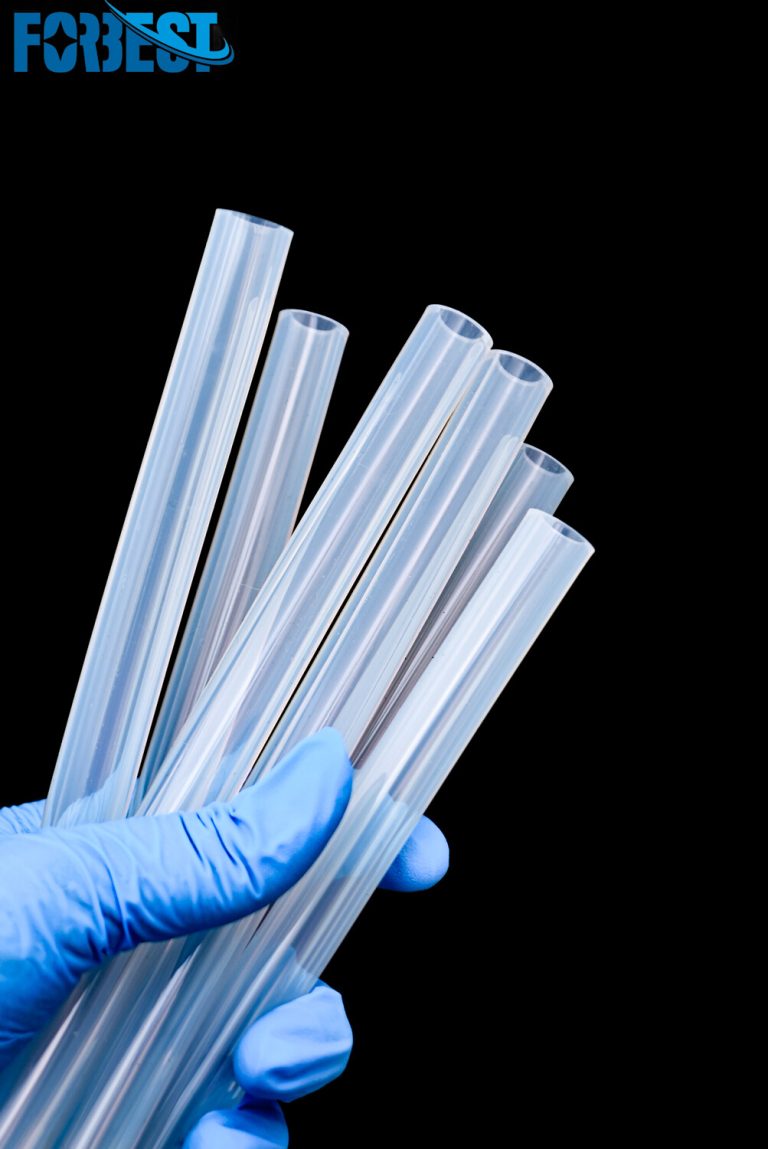
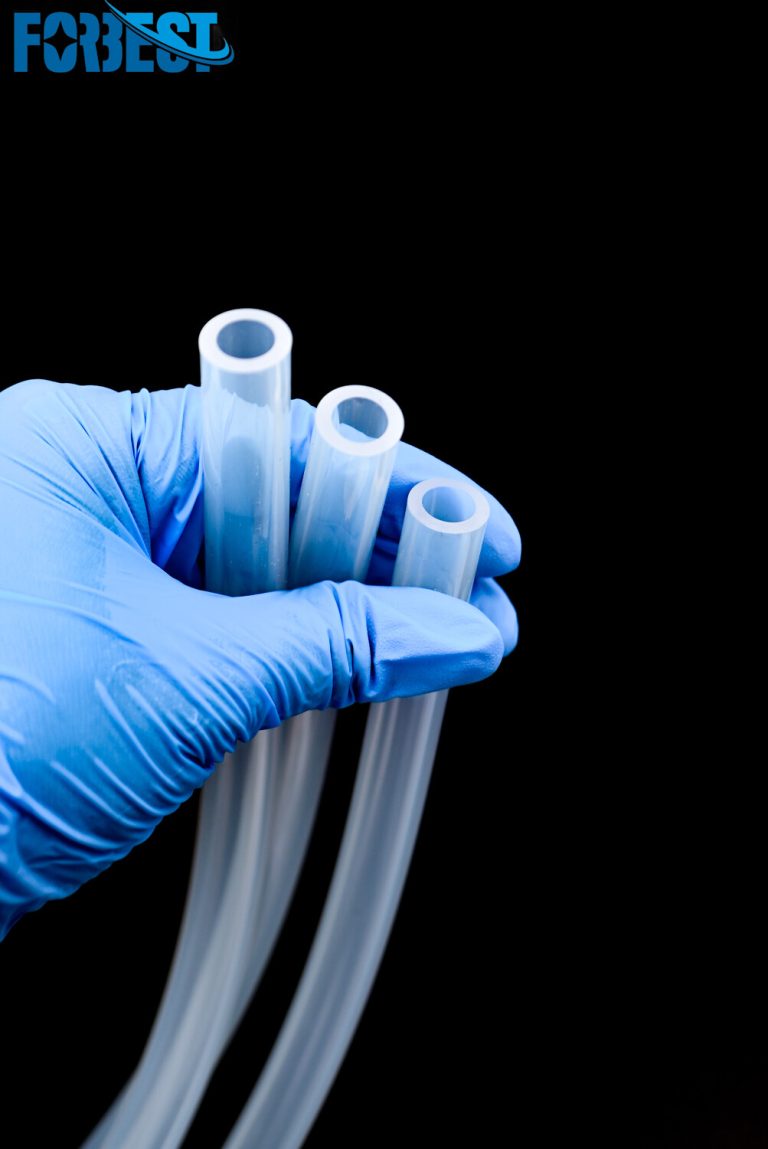
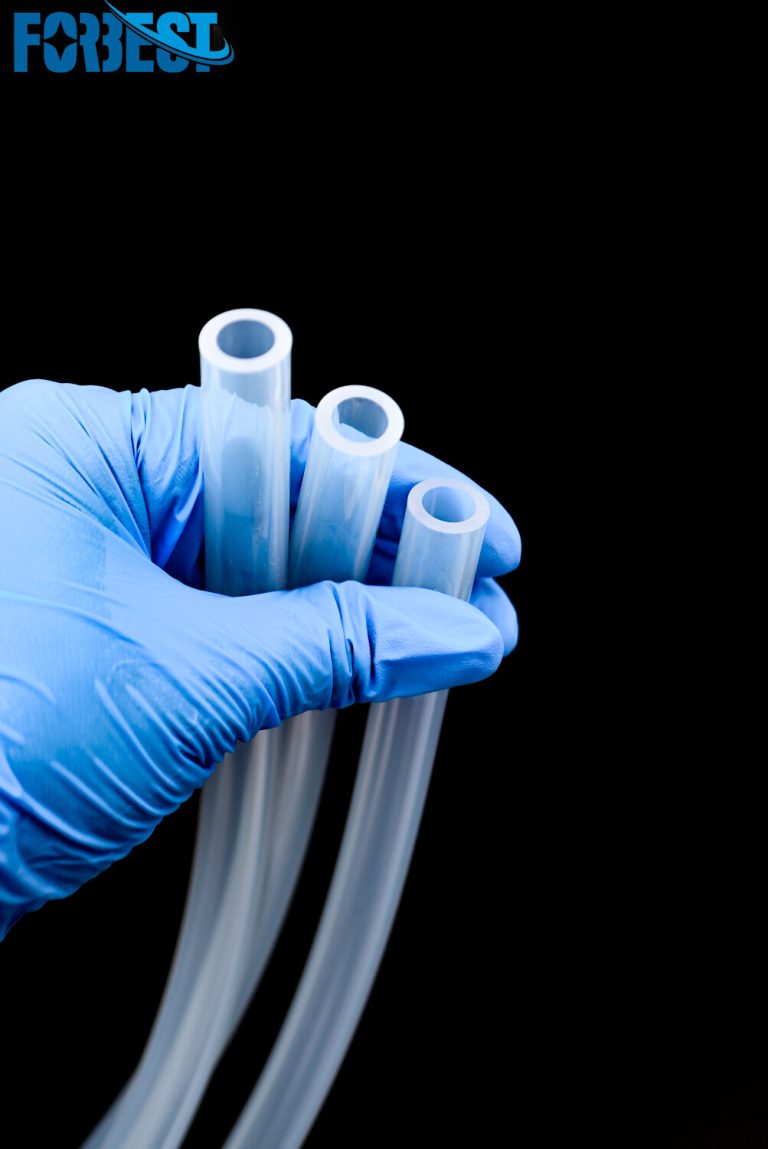
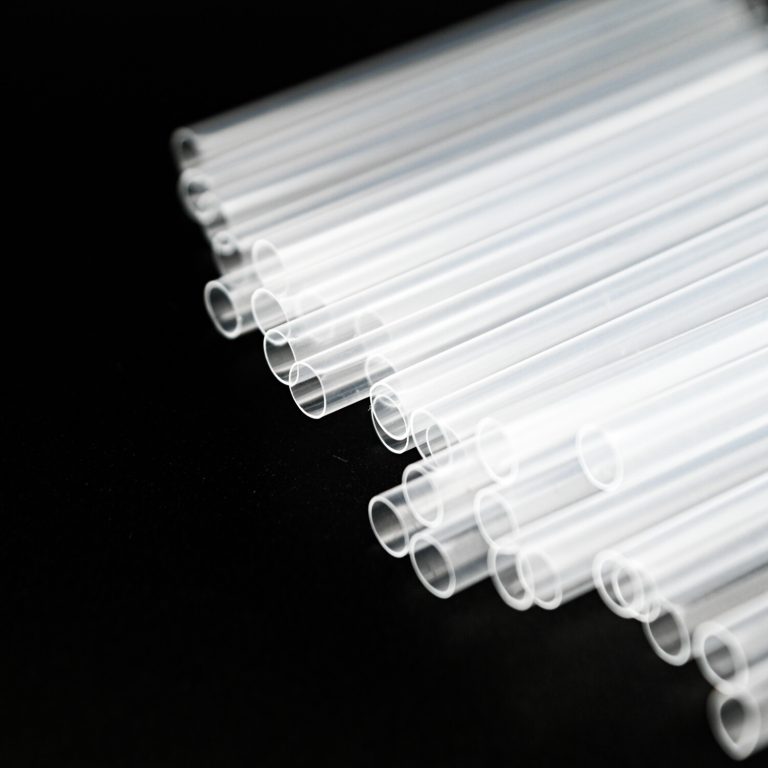
FEP: Transparent or translucent, which can be an advantage for certain applications where visibility is important (e.g., in chemical or fluid systems).
6. Applications
-
PTFE: Due to its high chemical resistance, it is commonly used in sealing, lining applications, and gaskets, as well as non-stick coatings in cookware.
-
FEP: Used in situations requiring a more flexible material that can be easily processed, like insulation for wiring in electrical applications, tubing, and heat-shrinkable materials.
7. Cost
-
PTFE: Generally more expensive due to its processing challenges and its superior properties, especially for high-temperature and chemically harsh environments.
-
FEP: Often a bit more cost-effective for applications where flexibility and ease of processing are important.
Summary:
-
PTFE: Best for high-performance, high-temperature applications where chemical resistance is paramount.
-
FEP: More versatile for manufacturing and offers good transparency and flexibility, suitable for many electrical and chemical applications.
What is FEP Tubing used for?
Common uses include:
-
Chemical handling & transfer
For acids, solvents, fuels, and corrosive fluids in labs and industrial systems. It doesn’t react with most chemicals. -
Laboratory & analytical equipment
Used in HPLC systems, sample lines, and instrumentation because it’s very pure and won’t contaminate samples. -
Medical & pharmaceutical applications
Fluid transfer lines, catheters, and disposable tubing where biocompatibility and sterilization resistance matter. -
Food & beverage processing
Safe for contact with food, easy to clean, and resistant to flavors or odors sticking to it. -
Electronics & semiconductor manufacturing
Handles ultra-pure chemicals and gases without leaching contaminants. -
High-temperature environments
Works continuously up to about 200°C (392°F).
Why people choose FEP tubing:
-
Excellent chemical resistance
-
Non-stick interior (low friction)
-
Clear/transparent, so you can see flow
-
Good electrical insulation
-
Long service life