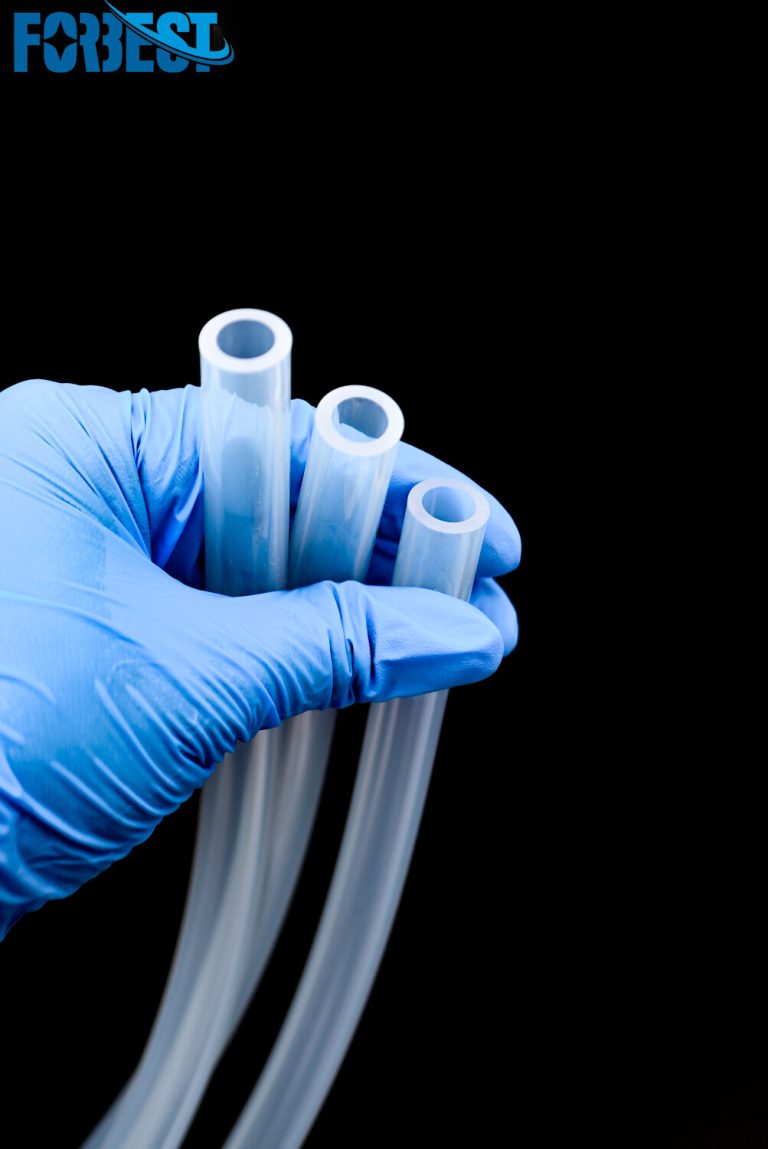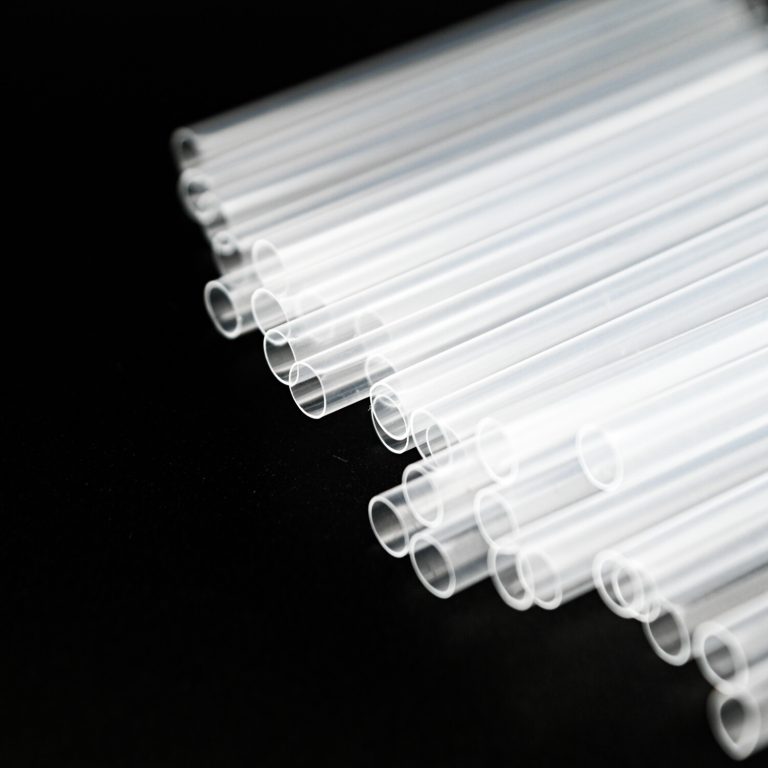
When it comes to demanding industrial environments—especially in HVAC systems and automotive engines—the choice of tubing material is not just a technicality. It’s a matter of safety, longevity, and performance. Among all available materials, Black EPDM rubber tubing has emerged as the undisputed standard due to its excellent resistance to heat, ozone, weather, and aging.
In this article, we’ll explore what makes EPDM rubber tubing the go-to choice for manufacturers and installers across the HVAC and automotive industries. We’ll also uncover expert opinions, discuss real-world use cases, and show you how choosing the right EPDM rubber tubing supplier can make or break your application.

Understanding Black EPDM Rubber Tubing
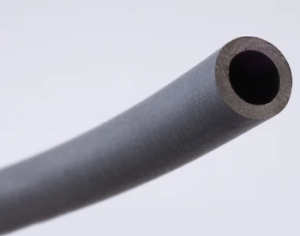
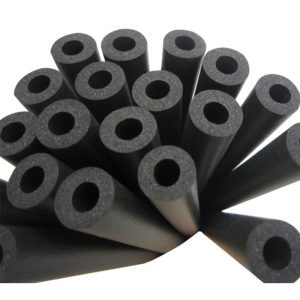
EPDM (Ethylene Propylene Diene Monomer) is a type of synthetic rubber known for its remarkable weather, ozone, and temperature resistance. The black variant of EPDM rubber tubing is formulated specifically to enhance UV resistance, making it ideal for outdoor and high-exposure environments.
This tubing is widely used for:
-
Air and water lines in HVAC systems
-
Engine coolant and radiator hoses
-
Weather-sealing in industrial equipment
-
Chemical transfer and insulation sleeves
Unlike other rubbers like neoprene or nitrile, EPDM doesn’t degrade in high-heat or high-ozone environments, making it far more durable over time. According to the Rubber Manufacturers Association, EPDM maintains flexibility and tensile strength even after prolonged exposure to 150°C temperatures.
HVAC Applications – Experience Meets Reliability
As professionals with hands-on experience in HVAC system installation know, the tubing must handle thermal expansion, moisture exposure, and pressure cycles. This is where black EPDM rubber tubing becomes indispensable.
“We’ve used EPDM tubing in rooftop units exposed to sun and rain year-round. After five years, the tubes still perform like new,” says Michael Grant, a senior technician with over 15 years in commercial HVAC installations in Canada.
Its benefits in HVAC include:
-
High thermal resistance (up to 150°C continuous)
-
Excellent UV and ozone resistance
-
Resilience to pressure fluctuations in refrigerant lines
-
Non-polar characteristics, preventing corrosion from moisture
Many industry suppliers, including Forbest’s Black EPDM Rubber Tubing, design tubing specifically to comply with insulation and flexibility requirements needed in ducted systems.
Automotive Applications – Built for Tough Environments
Automotive manufacturers in Germany, the U.S., and Australia have widely adopted EPDM tubing for engine-related functions. Its high heat and fluid resistance make it ideal for:
-
Radiator and heater hoses
-
Emission control systems
-
Fuel vapor lines (non-oil applications)
-
Cable sheathing and protective tubing
In a study published in Automotive Engineering International, EPDM tubing was rated the most consistent performer under 1,000 hours of thermal-cycling stress, outperforming both nitrile and silicone blends.
For example, a major automotive parts supplier in Germany reported that switching to black EPDM rubber tubing in turbocharger coolant lines reduced annual maintenance claims by 37%.
Why EPDM Outperforms Other Rubber Materials
| Property | EPDM | Neoprene | Nitrile | Silicone |
|---|---|---|---|---|
| Heat Resistance | ✅ Excellent | ⚠️ Moderate | ⚠️ Moderate | ✅ Excellent |
| Ozone/UV Resistance | ✅ Excellent | ⚠️ Poor | ❌ Weak | ✅ Good |
| Oil Resistance | ❌ Poor | ✅ Good | ✅ Excellent | ❌ Poor |
| Cost | ✅ Low | ⚠️ Mid | ⚠️ Mid | ❌ High |
| Flexibility | ✅ Excellent | ⚠️ Stiff | ⚠️ Limited | ✅ Excellent |
As you can see, while silicone and nitrile have their niches, EPDM is the most balanced and economical choice for general-purpose and high-exposure tubing.
Expert Insights & Industry Citations
According to a 2023 report by Rubber World Magazine, over 65% of HVAC OEMs in North America prefer black EPDM tubing for air and water applications.
In addition, the American Society of Heating, Refrigerating and Air-Conditioning Engineers (ASHRAE) has endorsed EPDM as a preferred elastomer for chilled water and condenser line insulation, due to its thermal retention properties and aging resistance.
A quote from Dr. Susan Hale, material scientist at the University of Michigan:
“EPDM’s unique molecular structure makes it especially resistant to weathering and cyclic stress, which explains its dominance in HVAC and under-the-hood applications.”
Choosing the Right EPDM Tubing Manufacturer
While EPDM itself is a high-performance material, not all tubing is created equal. Manufacturing precision, material purity, and adherence to global standards like RoHS and REACH play a critical role.
That’s why working with a reputable supplier like Forbest ensures:
-
ISO-certified production
-
Custom sizes, colors, and hardness levels
-
Export-grade quality for clients in the U.S., Italy, Australia, Germany, France, Chile, and Canada
-
Rapid OEM prototyping and private labeling
Explore our complete product range of black EPDM rubber tubing to meet your application’s demands.

Conclusion
Whether you’re installing an HVAC system on a skyscraper in New York, replacing radiator hoses in Berlin, or insulating condenser lines in Sydney, black EPDM rubber tubing stands the test of time. Its superior durability, flexibility, and weather resistance make it the industry gold standard.
By selecting the right supplier—one that not only understands the technical specs but also has real-world manufacturing experience like Forbest—you ensure your systems run smoothly, reliably, and efficiently for years to come.