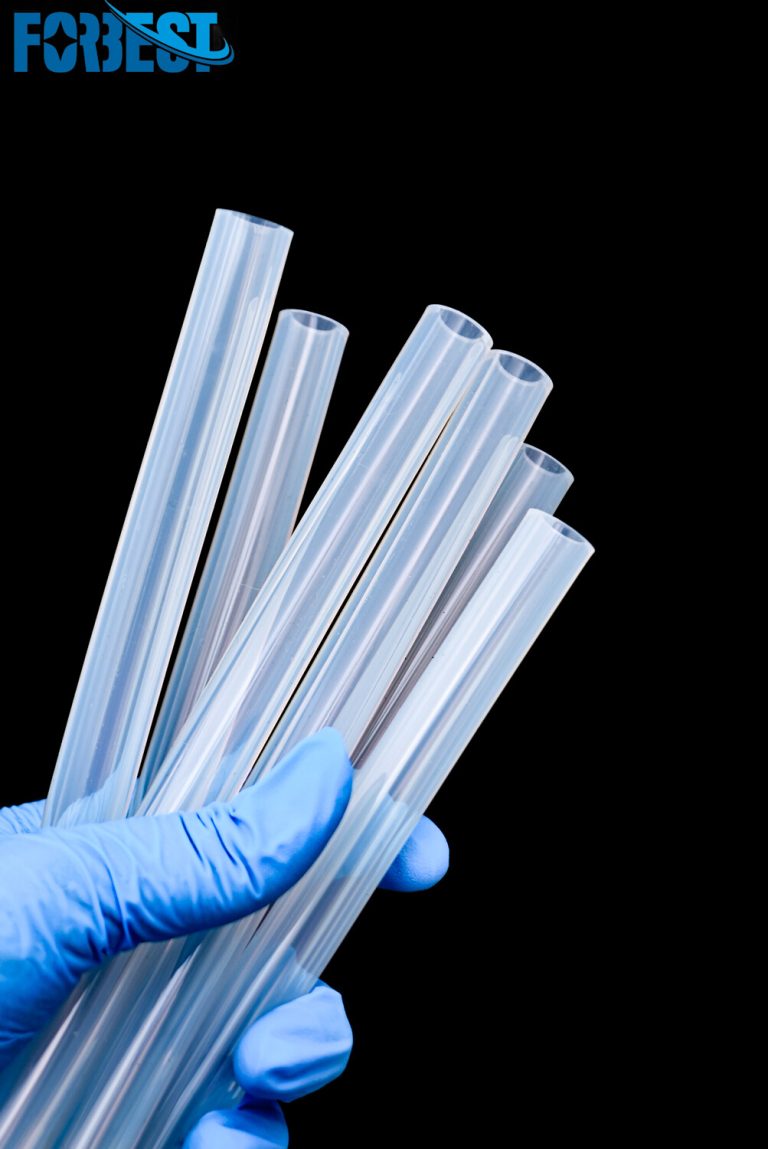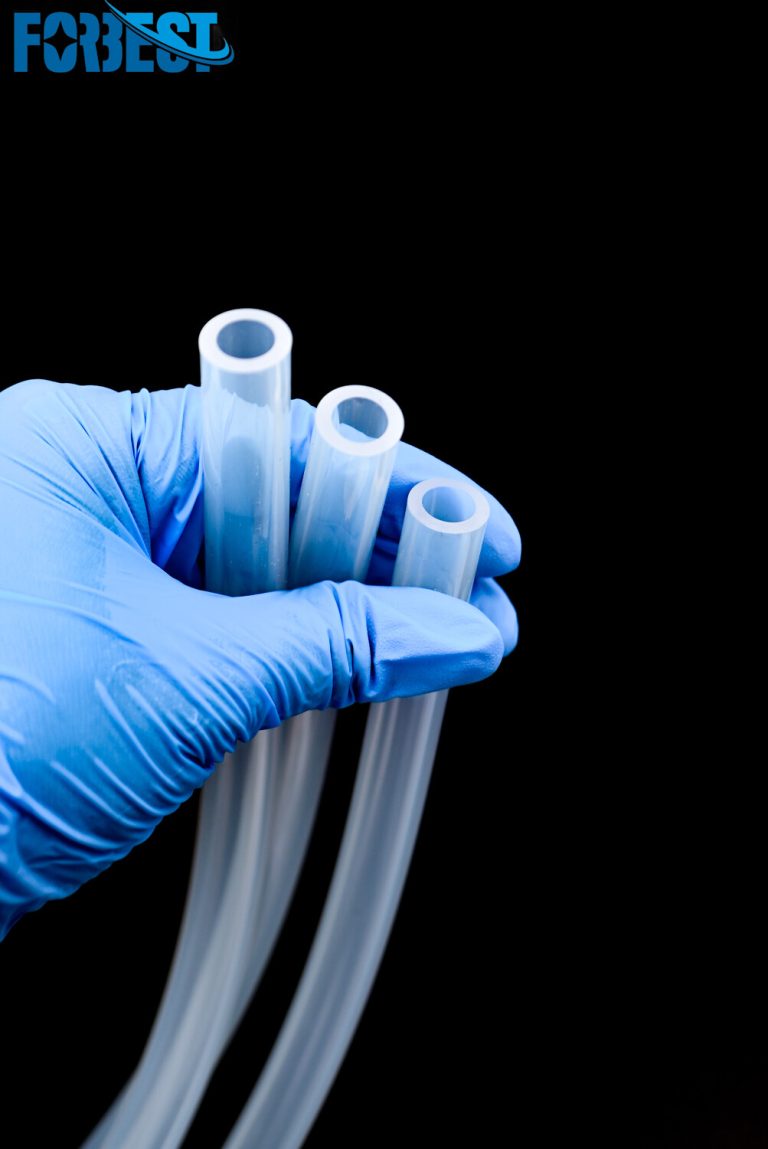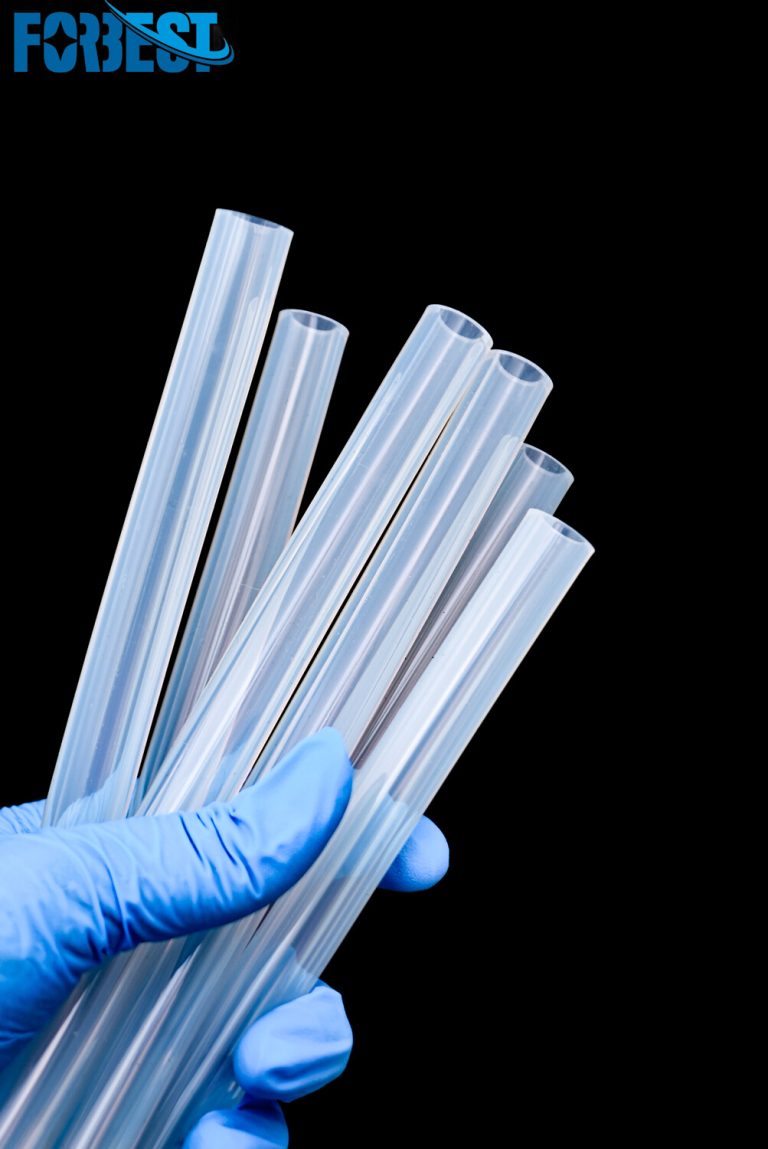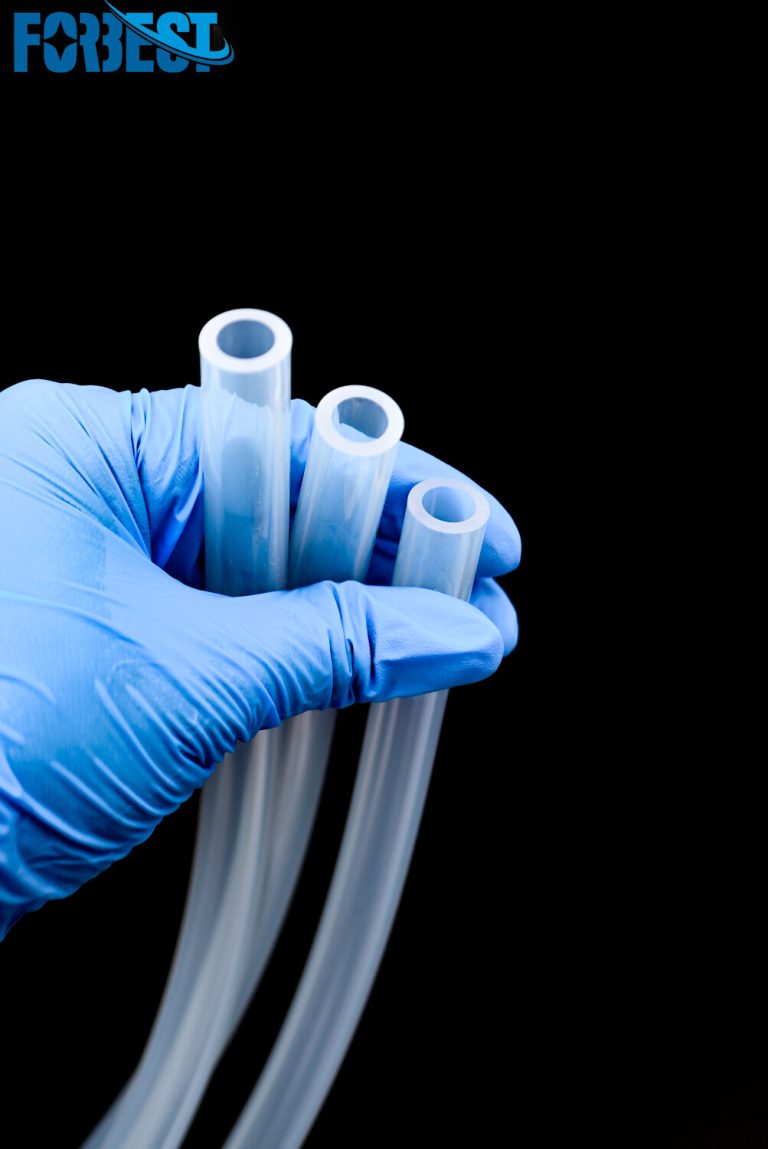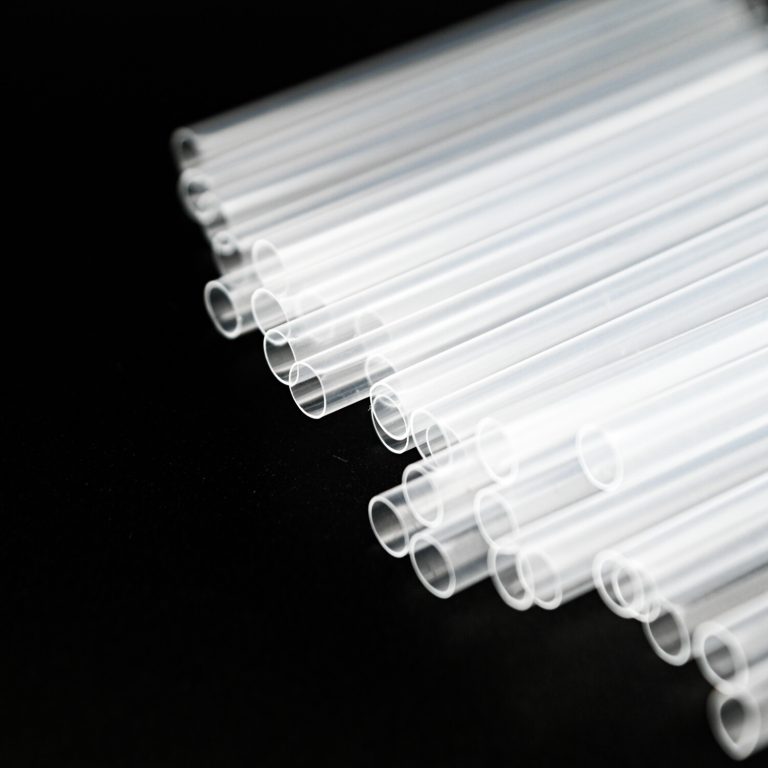
The Hidden Cost of Choosing the Wrong Tube
In many industrial engineering projects, attention is rightly placed on structural loads, electrical systems, or fluid dynamics. But the selection of sealing and insulation components—like EPDM sponge tubing—often happens late in the design process. This leads to costly errors down the road, especially in high-temperature, vibration-heavy, or chemically exposed environments.
At Forbest, we’ve consulted on dozens of failed installations caused by seemingly minor oversights in EPDM specifications. In this article, we highlight the five most common mistakes engineers and procurement teams make when selecting or installing EPDM sponge tubing—along with the technical reasoning behind how to avoid them.
Mistake #1: Choosing the Wrong Durometer or Density
Many engineers assume all EPDM sponge tubes are the same, but density and hardness (durometer) have a major impact on performance.
-
Too soft, and the tube collapses or deforms under compression, leading to leaks.
-
Too firm, and it may not conform to mating surfaces, especially if there’s vibration.
EPDM sponge tubing is available in a variety of Shore A ranges (typically between 10 and 30 for sponge types). Forbest offers technical guidance based on application scenarios:
“Compression set resistance varies with foam density. Specifying a foam without understanding real load conditions is one of the top failure triggers in sealing systems.”
— Dr. Marc Louw, Materials Science Advisor, International Elastomeric Research Group
Mistake #2: Ignoring Environmental Exposure (UV, Ozone, and Heat)
One of EPDM’s strengths is its resistance to UV, ozone, and extreme temperatures, but even this resilience has thresholds.
A customer in Southern California used non-UV-stabilized EPDM tubing in rooftop enclosures. After just 10 months, the tubes hardened and cracked. They had ordered a general-purpose formulation, not realizing outdoor-rated EPDM includes additives and compounding modifications.
At Forbest, our EPDM sponge tubes include UV-stable grades that comply with ASTM D1171 and ISO 4892 accelerated weathering standards, specifically for outdoor and rooftop environments.
Mistake #3: Overlooking Chemical Compatibility
EPDM is highly resistant to water, steam, and many polar substances—but it’s not suitable for petroleum-based fluids or strong acids. In industrial processing environments, this is a make-or-break factor.
“I’ve seen engineers specify EPDM sponge tubing near fuel transfer systems where NBR should have been used. Within weeks, the tubing starts swelling or cracking. Even elastomers have chemistries—they’re not universal.”
— Karen Lin, Chemical Applications Engineer, PetroSeal Systems Ltd.
The lesson here is clear: always match chemical resistance charts with your working environment. If there’s uncertainty, request a chemical compatibility test from your supplier.
Mistake #4: Failing to Consider Temperature Cycling and Compression Set
Industrial machinery often involves temperature cycling—going from ambient to high-heat multiple times per day. If your EPDM sponge tube doesn’t have good compression set resistance, it will slowly flatten and lose its sealing capability.
A real example: an OEM bakery oven manufacturer installed general-grade sponge EPDM. After 6 months of use, the gaskets no longer sealed due to compression fatigue from 180°C cycles.
Forbest’s high-performance EPDM sponge tubing maintains over 75% compression recovery after 1,000 hours of high-low temperature cycles per ASTM D395. Make sure to verify compression set data, not just thermal range.
Mistake #5: Overcomplicating the Profile or Installation
Trying to save time or over-spec parts often leads to sourcing overly complex EPDM profiles or inconsistent sizes. This causes issues during field installation, especially when working with tubes that need to be wrapped, bonded, or joined.
Recommendations:
-
Use standard tube sizes when possible (e.g., 10mm, 15mm ID)
-
Pre-order with precision cutting and end-closure vulcanization
-
Avoid sharp corners or twisty paths that deform the tube
Forbest supports custom OEM orders of EPDM sponge tubes with tolerances of ±0.3mm and offers coiling or spooled formats for ease of assembly.
Expert Perspective: Don’t Undervalue a Small Component
“Many industrial reliability problems start at the gasket or the seal—not the motor or pump. EPDM tubing may be small, but it’s where your system touches the environment. The wrong choice leads to failure.”
— Dr. Dieter Keller, Reliability Consultant, European Machinery Conference 2023
Conclusion: Success Lies in the Specification Details
The humble EPDM sponge tube may seem like a basic component, but in complex industrial settings, it functions as a crucial line of defense against thermal loss, vibration, weather, and mechanical wear.
To avoid costly downtime and premature material degradation, engineers must take into account durometer, environmental exposure, chemical compatibility, temperature behavior, and installation feasibility. At Forbest, we specialize in helping OEMs and industrial teams select the right EPDM tubing, not just based on specs—but based on proven experience and performance in the field.
If you’re specifying EPDM sponge tubing for your next project, let’s talk early—because when it comes to reliability, the small things matter most.