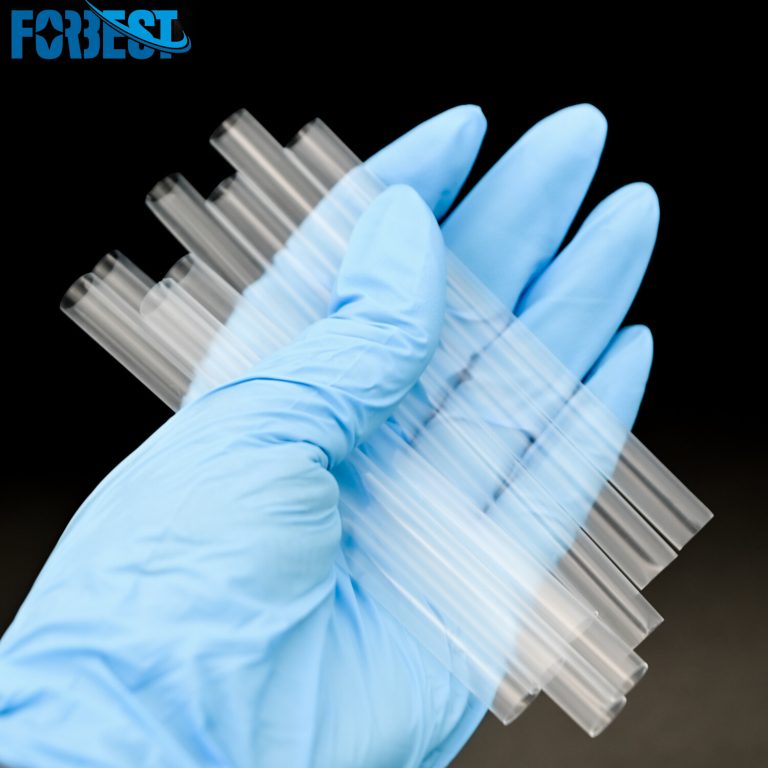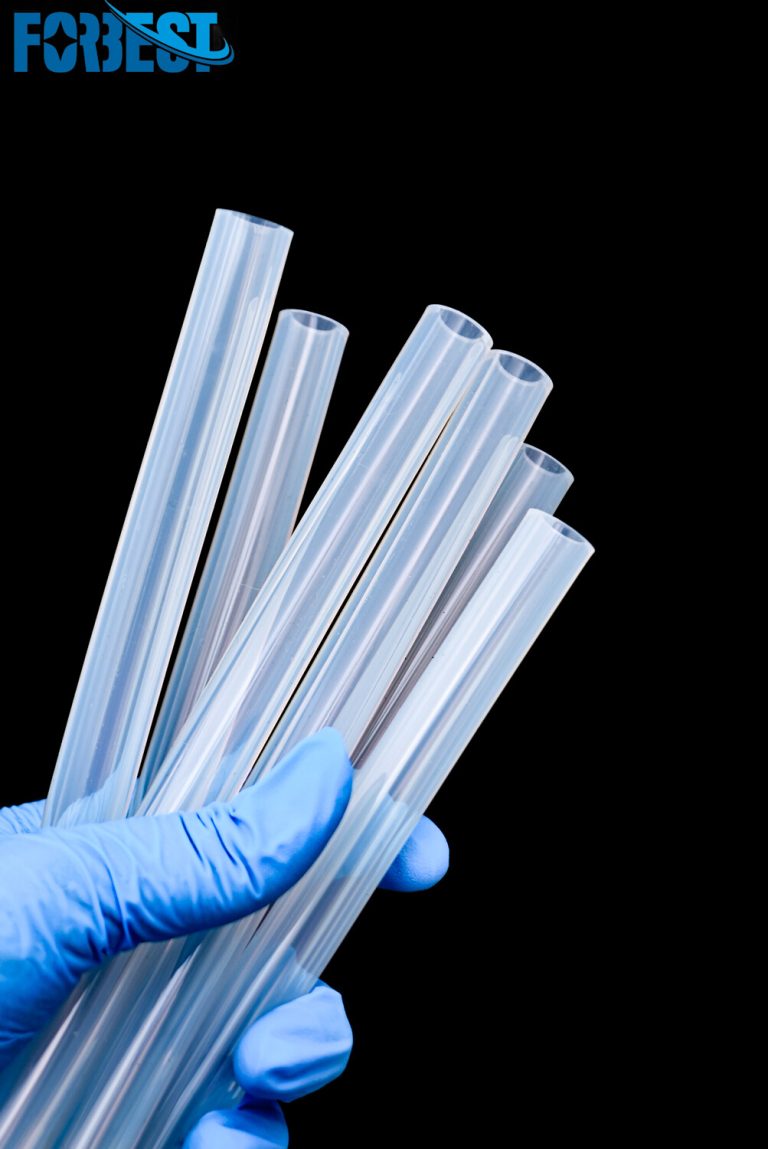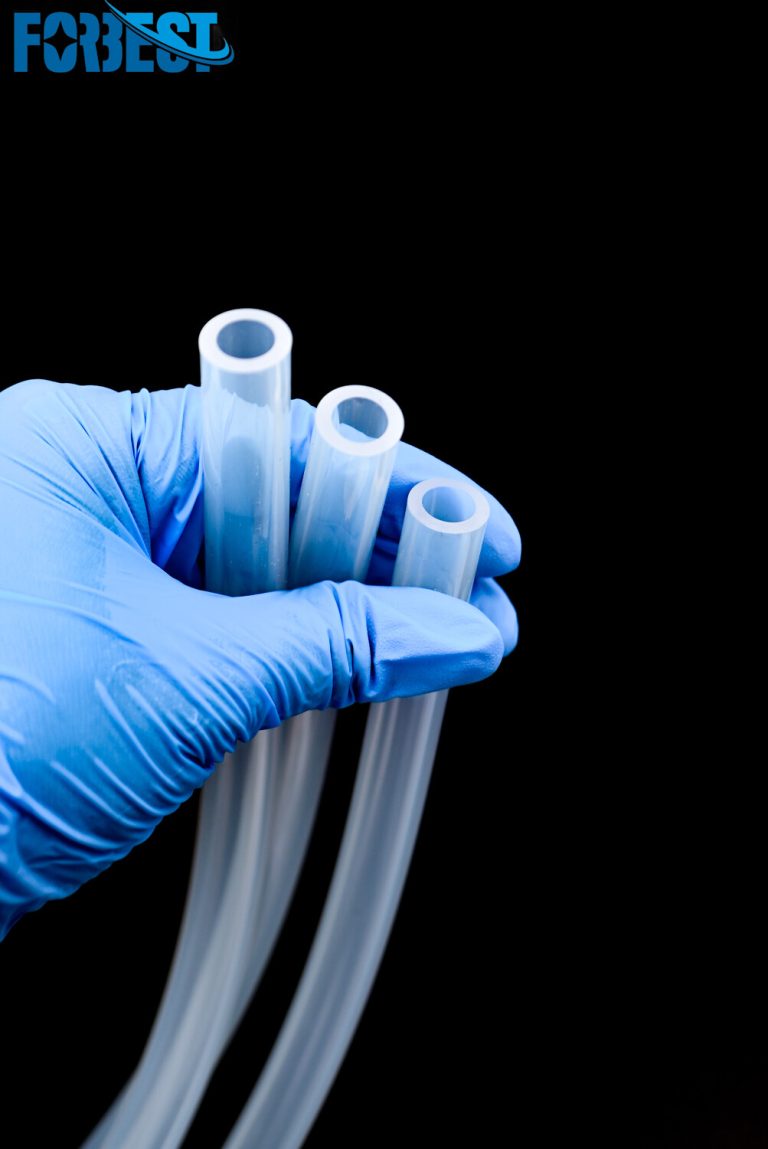
NBR (Nitrile Butadiene Rubber) sponge tubing is widely used across HVAC, automotive, refrigeration, and electrical insulation systems due to its superior resistance to oil, heat, and chemicals. However, choosing the wrong type—or working with an unreliable supplier—can quickly turn your insulation solution into a logistical nightmare.
As a seasoned NBR sponge tubing manufacturer and supplier in China, Forbest has helped thousands of customers around the world fix costly purchasing mistakes. In this article, we’ll reveal the most common pitfalls buyers encounter—and how you can avoid them by choosing the right NBR sponge tubing factory partner.
Want to avoid these mistakes from the start? Explore Forbest’s NBR Sponge Tubing options.
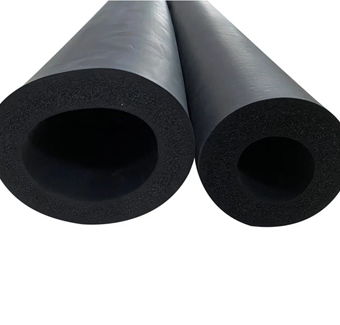
Mistake 1: Confusing NBR with Other Foam Materials
“We ordered what was labeled as NBR foam, but it melted under mild heat—it turned out to be recycled PVC foam.”
— Industrial Procurement Manager, UAE
Not all foam tubes are created equal. NBR is prized for its oil resistance, thermal stability, and closed-cell structure, but it is often confused with:
-
PVC Foam – Cheaper, but lower temperature tolerance and poor flexibility
-
EPDM Foam – Better UV resistance but weaker chemical resistance than NBR
-
Polyethylene Foam – Great for cushioning, not ideal for insulation
Avoid This Mistake:
-
Ask for material safety data sheets (MSDS) or SGS test reports
-
Ensure your supplier performs IR spectrometry tests to verify NBR content
-
Use a supplier like Forbest that formulates and extrudes their own sponge rubber in-house
Mistake 2: Ignoring Density and Compression Tolerance
NBR sponge tubing comes in different foam densities, typically ranging from 45 kg/m³ to 100+ kg/m³. Choosing the wrong one can result in:
-
Crushed insulation that fails under pipe clamps
-
Too-hard tubes that are difficult to bend or install
-
Inconsistent insulation and thermal leakage
Expert Tip:
Always specify foam density and compression set value during inquiry. At Forbest, we offer tolerance-controlled densities with compression set below 30% (per ASTM D1056).
Mistake 3: Choosing the Wrong Wall Thickness for the Job
More insulation doesn’t always mean better performance. Over-specifying the wall thickness leads to:
-
Wasted cost
-
Installation problems in tight spaces
-
Condensation issues due to vapor gaps
General Guidelines:
| Application | Recommended Wall Thickness |
|---|---|
| Refrigeration lines | 6–9 mm |
| HVAC (indoor) | 9–13 mm |
| HVAC (outdoor) | 13–19 mm |
| Industrial/High Temp | 19+ mm |
Mistake 4: Ordering Based Only on Price per Meter
A common trap: focusing only on the per-meter price, without factoring in:
-
Foam expansion rate (some suppliers inflate tube dimensions)
-
Underweight coils that look long but are low in material content
-
Unreliable compression recovery (leading to insulation collapse)
At Forbest, every shipment includes weight/length certification, batch code labeling, and QC testing for:
-
Wall thickness accuracy
-
Foam consistency
-
Flame retardancy (UL94 standards)
Mistake 5: Not Verifying Flame Retardant or Safety Certifications
Do your tubes need to be used in public buildings, electrical rooms, or food-grade environments? If so, you need to verify:
-
UL94 certification
-
RoHS compliance (no heavy metals or banned substances)
-
REACH compliance (safe for EU use)
-
Halogen-free composition (for electronics)
Buyer Beware: Many uncertified suppliers simply print fake UL logos or reuse outdated reports.
✅ Forbest offers up-to-date documentation and sample testing before bulk orders.
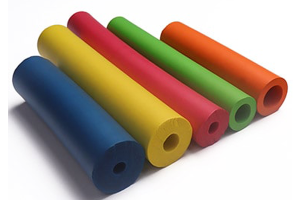
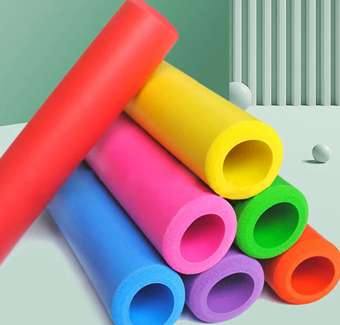
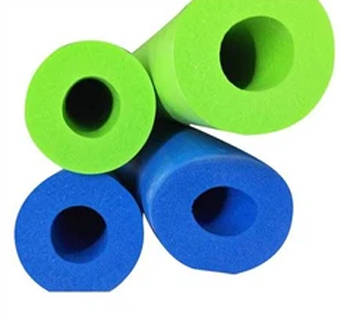
Mistake 6: Forgetting to Match Tube Color to Industry Requirements
Different industries often follow color codes for safety and identification:
-
Black – Standard for industrial use
-
Red – Warning/high temperature areas
-
Blue – Chilled water or food-grade systems
-
Dual Color – HVAC hot/cold separation
“We lost a major hospital project because our insulation wasn’t color-coded as required by local building codes.” — Contractor, Singapore
Need color-coded NBR tubing? Check Forbest’s custom color options.
Mistake 7: Failing to Clarify Packaging & Labeling Needs
Nothing’s worse than receiving:
-
Coiled tubes with no labels
-
Misaligned cuts
-
Damaged foam from improper boxing
Make sure your supplier supports:
-
Barcode/QR labeling
-
OEM brand printing
-
Reinforced or carton packaging
-
Length-per-roll specification
Forbest provides customized OEM packaging for international and retail-ready orders—one of the reasons we’re trusted by global HVAC and insulation brands.
Bonus: Mistake 8 – Choosing the Wrong Manufacturer
“We switched to Forbest after three failed shipments from a cheap vendor in Guangdong. Their QC and response time made all the difference.” — Procurement Lead, Poland
Your supplier should be:
✅ A real factory, not a middleman
✅ Offering technical support and drawings
✅ Willing to provide free samples or lab tests
✅ Transparent about MOQ and delivery timelines
✅ Able to handle OEM and private label requirements
Conclusion: Smart Buyers Choose Trusted Suppliers with Technical Backing
Buying NBR sponge tubing isn’t just a commodity decision—it’s an engineering one. Don’t fall into the trap of:
-
Wrong material
-
Wrong size
-
Wrong spec
-
Wrong supplier
Work with a trusted NBR sponge tubing manufacturer from China like Forbest—a factory that’s certified, responsive, and technically strong.
📌 Ready to upgrade your insulation sourcing strategy? Visit the NBR Sponge Tubing page here to avoid mistakes before they cost you.