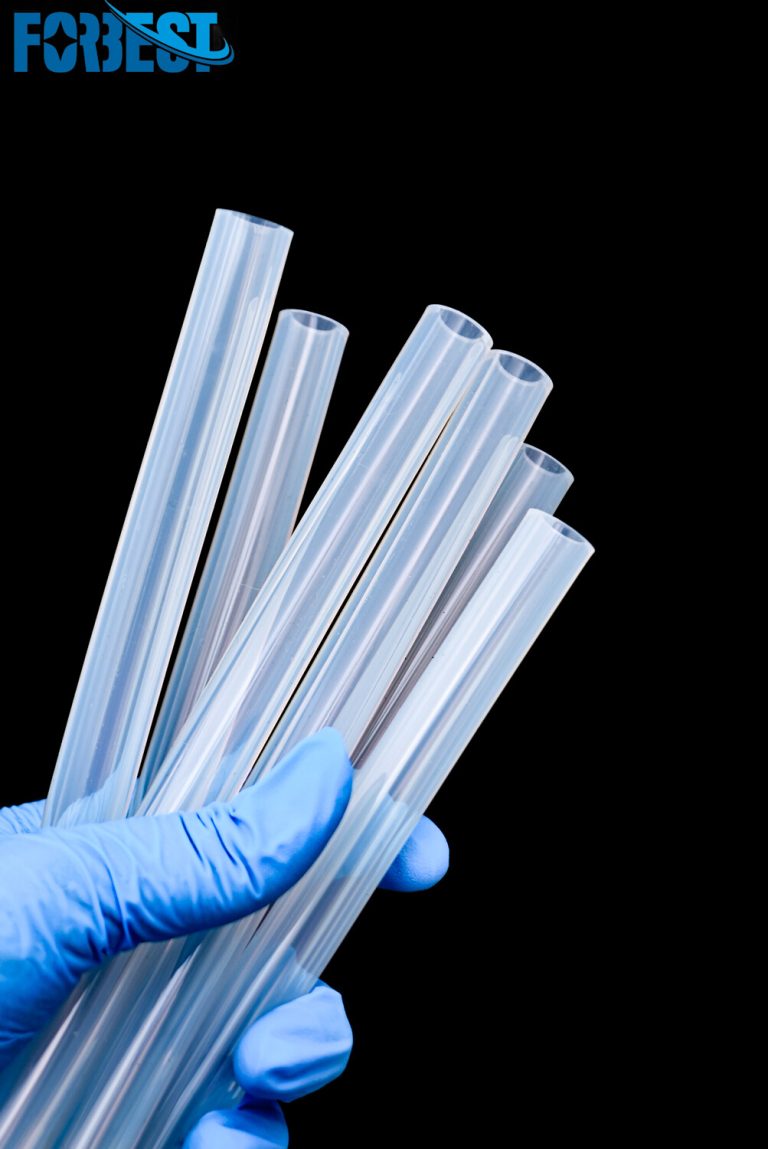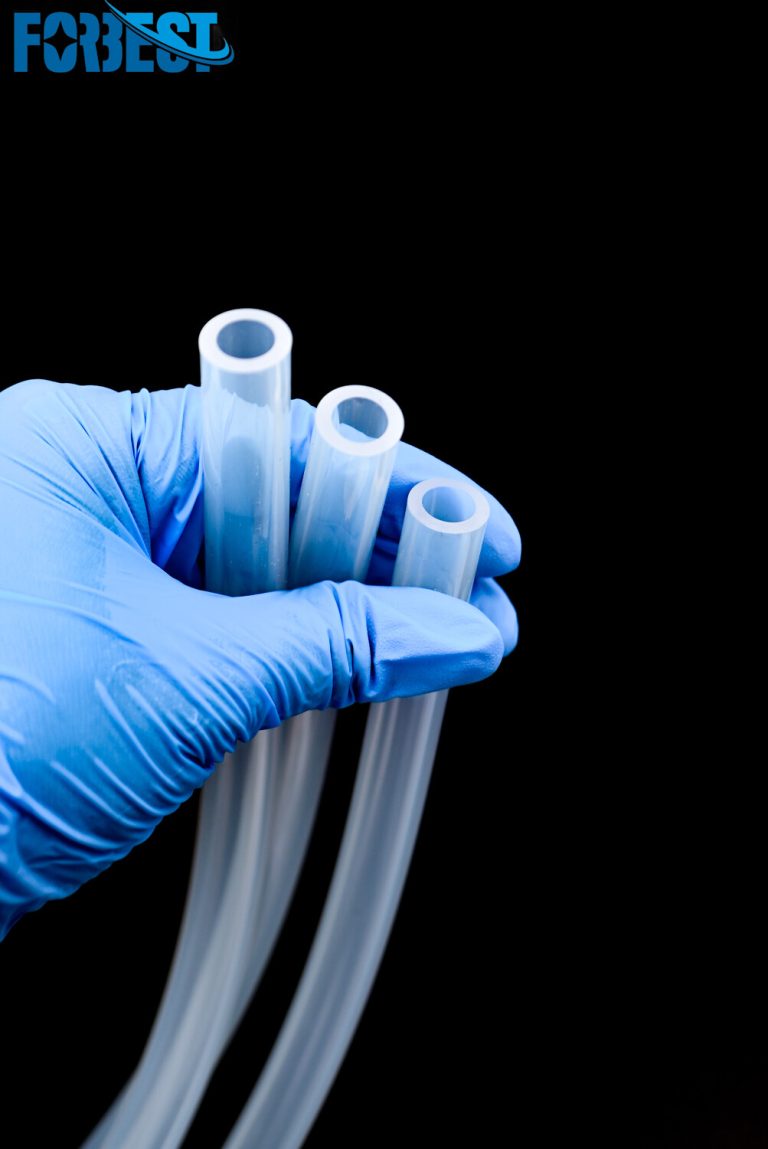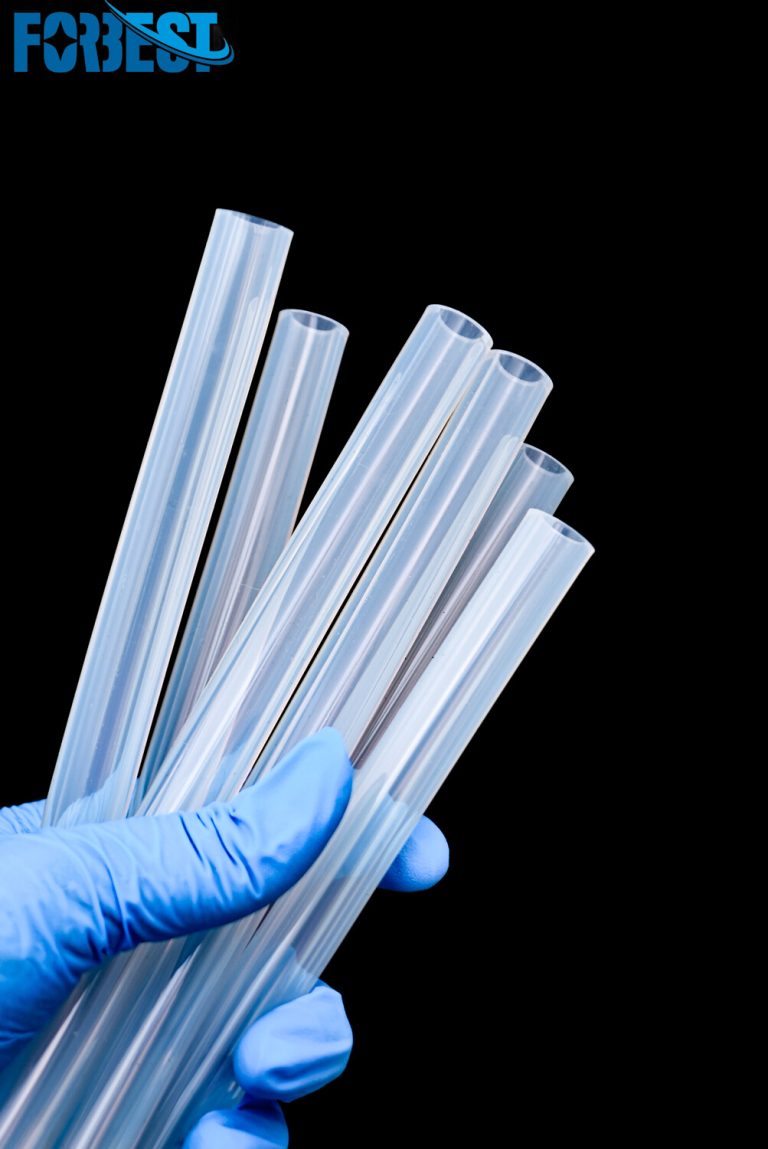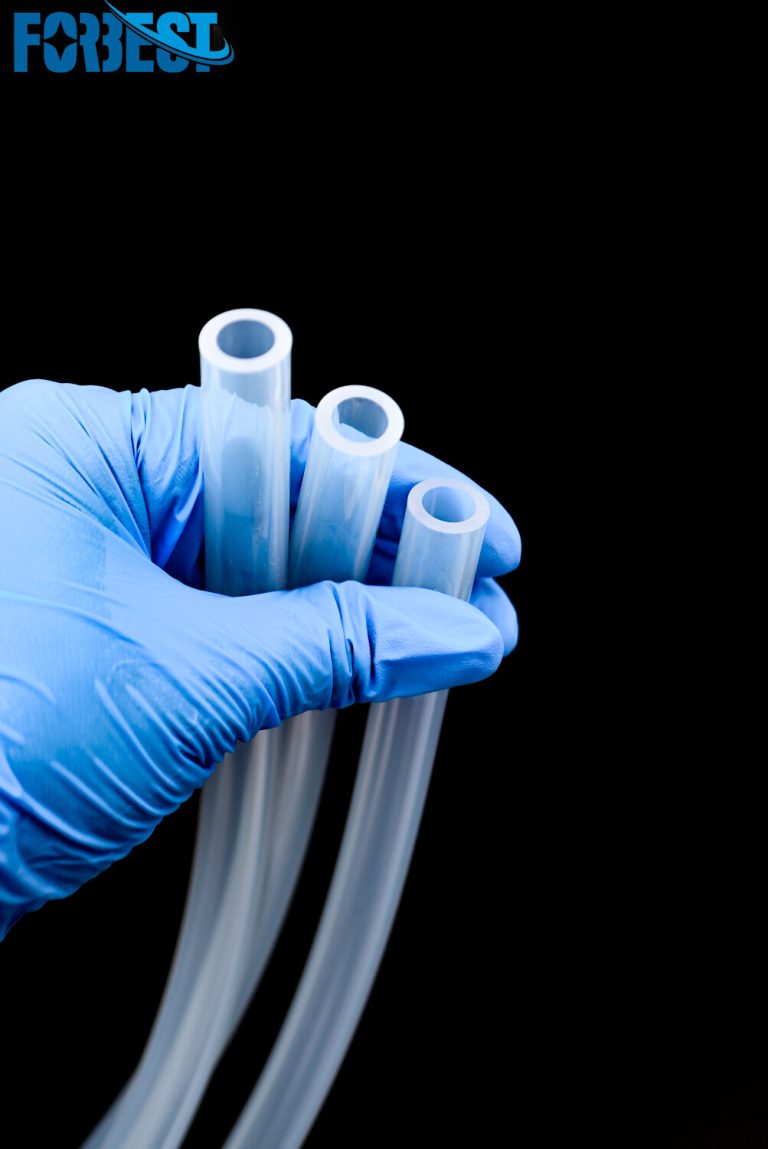
Selecting the correct thickness and density of NBR sponge tubing isn’t just a technical detail—it’s the difference between insulation that performs and insulation that fails. Whether you’re installing HVAC systems, insulating refrigeration lines, or protecting electrical components, choosing the right sponge tube properties can significantly impact thermal performance, mechanical integrity, and longevity.
As a trusted NBR sponge tubing manufacturer and custom supplier from China, Forbest specializes in helping engineers, project managers, and OEM buyers make the right choice.
Looking for exact specifications? Explore the Forbest NBR Sponge Tubing options here.
Why Thickness and Density Matter
Too often, buyers select NBR tubing based solely on price or availability—overlooking critical performance factors like thermal conductivity, compression behavior, or moisture resistance. This results in:
-
Poor energy efficiency
-
Premature insulation degradation
-
Regulatory non-compliance
-
Excess installation cost
“We once saved $0.10/m by choosing a thinner tube, only to spend 5x more in callbacks due to condensation issues in a high-humidity facility.”
— HVAC Contractor, Brazil
Bottom line: You need insulation that’s engineered for your environment—not just a tube that fits.
Understanding Thickness: A Function of Application and Environment
The wall thickness of NBR sponge tubing directly influences:
-
Thermal resistance (R-value)
-
Condensation prevention
-
Mechanical cushioning
-
Space requirements for installation
General Guidelines for Wall Thickness:
| Application Type | Recommended Wall Thickness |
|---|---|
| Indoor HVAC (moderate temp) | 9 mm |
| Outdoor HVAC (heat/cold) | 13–19 mm |
| Refrigeration lines | 6–9 mm |
| Industrial pipelines | 19–25 mm |
| High-humidity environments | Minimum 13 mm |
Foam Density: The Engine Behind Performance
NBR foam density typically ranges between 40–120 kg/m³ and determines:
-
Compression set (ability to recover shape)
-
Flexibility during installation
-
Durability under pipe clamps or mechanical stress
-
Thermal conductivity
| Density (kg/m³) | Properties | Best For |
|---|---|---|
| 40–60 | Very soft, lightweight | Short-term, budget installs |
| 60–80 | Balanced strength and flexibility | HVAC, standard refrigeration |
| 80–100 | Firmer, better aging and resistance | Industrial, automotive |
| 100+ | Very dense, low water vapor ingress | Outdoor, high-pressure areas |
Expert Advice: Matching Thickness + Density for Real-World Projects
Case 1: High-Humidity HVAC in Southeast Asia
Solution: 19mm wall / 80kg/m³ density
✅ Prevented condensation
✅ Maintained flexibility for rooftop unit bends
Case 2: Compact Refrigeration Unit
Solution: 6mm wall / 60kg/m³ foam
✅ Easy to route in tight cabinet
✅ Maintained insulation without over-thickening
“We had previously used 9mm thick tubing in this cabinet, but heat retention was too high. Forbest helped us redesign with thinner tubing and higher density for better airflow.”
— OEM Project Engineer, Malaysia
What Happens If You Get It Wrong?
Too thin
-
Heat loss
-
Risk of surface condensation
-
Failure in humid climates
Too thick
-
Incompatibility with installation space
-
Extra cost without benefit
-
Pressure on pipe fittings
Too soft (low density)
-
Cracking under clamps
-
Poor recovery from compression
-
Faster aging and yellowing
Too hard (high density)
-
Difficulty in bending
-
Poor seam sealing
-
Potential stress cracking over time
✅ Always balance application conditions (temperature, pressure, humidity) with mechanical installation needs (tight bends, fittings, clamps).
How Forbest Helps You Choose Correctly
As an experienced NBR sponge tubing factory and custom OEM supplier in China, Forbest provides:
-
Compression set tests for each foam grade
-
Thermal conductivity & aging data sheets
-
Expert consultation for your specific use-case
-
OEM-ready packaging with thickness & density specs printed
Need help specifying wall thickness? Visit our full NBR Sponge Tubing product page.
Engineer Q&A: What Buyers Ask Before Ordering
Q: Can I use 6mm wall thickness for outdoor HVAC?
A: Not recommended. In outdoor environments with high ΔT, 13mm–19mm is standard to prevent condensation and meet energy efficiency codes.
Q: What if I’m unsure about density?
A: Request Forbest’s density samples in 3 grades and compare physical compression response under your installation clamp.
Q: How do I measure “R-value” for insulation?
A: Use the formula R = thickness / thermal conductivity (λ). For NBR foam at λ = 0.035 W/m·K, a 19mm wall provides R ≈ 0.54.
Conclusion: Precision Selection = Long-Term Savings
Choosing the right thickness and density of NBR sponge tubing is not just an engineering decision—it’s a cost-saving, performance-improving, system-optimizing strategy.
Trust your project with a made-in-China custom manufacturer like Forbest that brings 20+ years of experience, ISO-certified production, and a deep understanding of field requirements.
👉 Click here to explore Forbest’s full NBR Sponge Tubing range.
Get it right the first time—and insulate smarter.